AI Could Make Institutions More Fragile
Removing every delay and backup can make an organization faster and easier to break.
 Sahir Maharaj8 min read
There is a moment in every institutional transformation when speed feels like proof of success. Decisions get made faster. Reports arrive on time. Bottlenecks that once took weeks to clear dissolve in hours. Leaders look at the metrics and see progress. What they may not be seeing is the quiet way that speed erodes the redundancies, deliberation, and friction that made the institution durable in the first place.
Institutions are not machines optimized for throughput. They are human systems designed, however imperfectly, to balance competing pressures over time. The slowness that drives everyone crazy often serves a purpose: it creates space for dissent, second-guessing, and the kind of lateral thinking that catches errors before they become crises. When AI removes that slowness without replacing its function, you get an institution that moves faster toward whatever cliff is in front of it.
I have talked to people at banks, hospitals, and government agencies who are thrilled by what AI is doing for their operational speed. Almost none of them have seriously asked what they are losing in the process. That is not because they are careless. It is because speed feels like an unambiguous win, and the costs of losing deliberation are invisible until suddenly they are not.
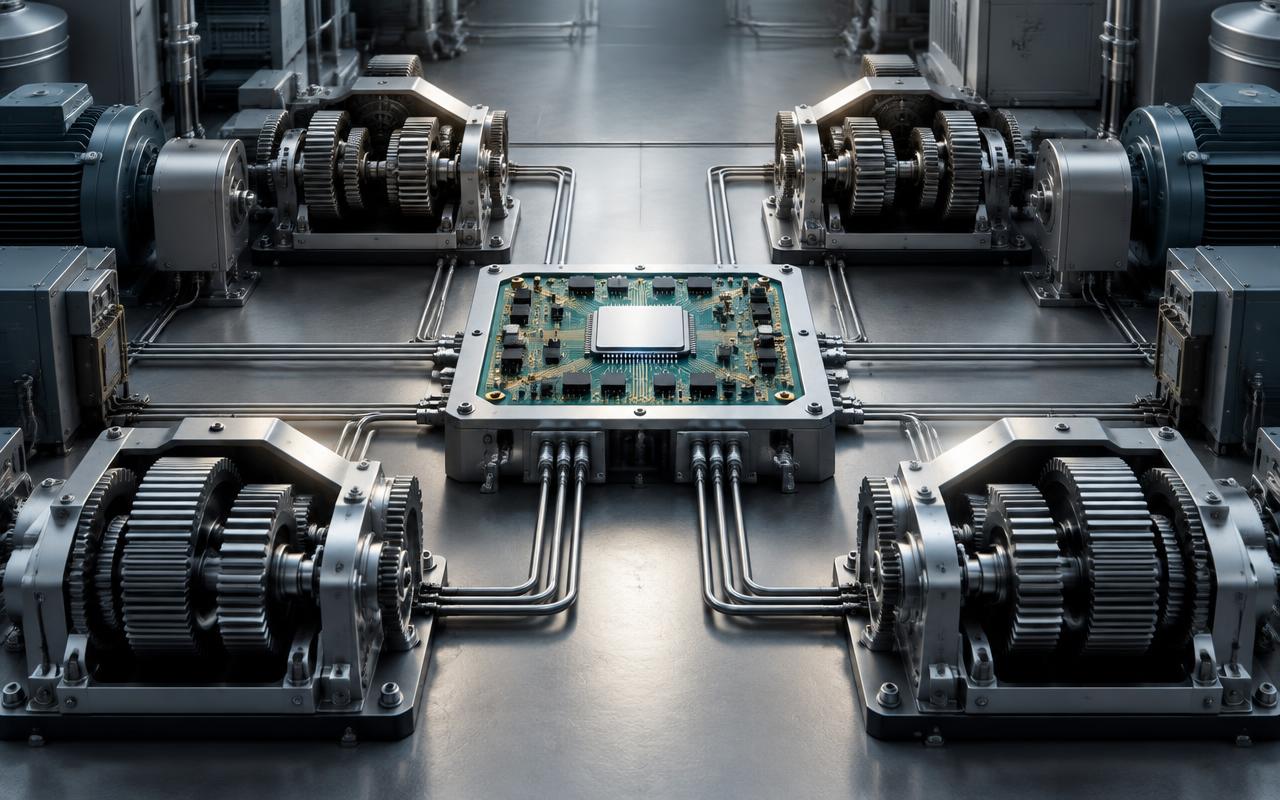
Resilience in complex organizations is not just about having backup systems. It is about maintaining the capacity to improvise, to reason under novel conditions, and to make judgment calls that fall outside the training set of any algorithm. That capacity lives in people, in relationships, in institutional memory, and in the slow accumulation of tacit knowledge that comes from actually doing the work. All of that can be quietly undermined when AI takes over the repetitive work that used to build those skills.
Think about what happens when a hospital automates its patient triage process. On good days, this is a genuine improvement. Patients get seen faster, and the algorithm handles the routine cases with less variation than an exhausted nurse at hour eleven of a shift. But good days are not the days that reveal fragility. The bad days are the ones where the inputs fall outside the model's experience, where the edge case presents ambiguously, where the right answer requires integrating signals the algorithm was never trained to weight. Those are exactly the days when you need skilled human judgment, and those are the days when institutions that have optimized for AI-assisted speed discover they have fewer humans with the skills to step in.
Resilience requires redundancy, and redundancy is expensive. It means having humans who can do things the AI does, even if less efficiently, for exactly the moments when the AI cannot or should not be trusted. Most institutions are not building that kind of redundancy into their AI adoption plans. They are building speed and cutting costs, which is a rational response to short-term incentives but a concerning one from the perspective of what happens when things go sideways.
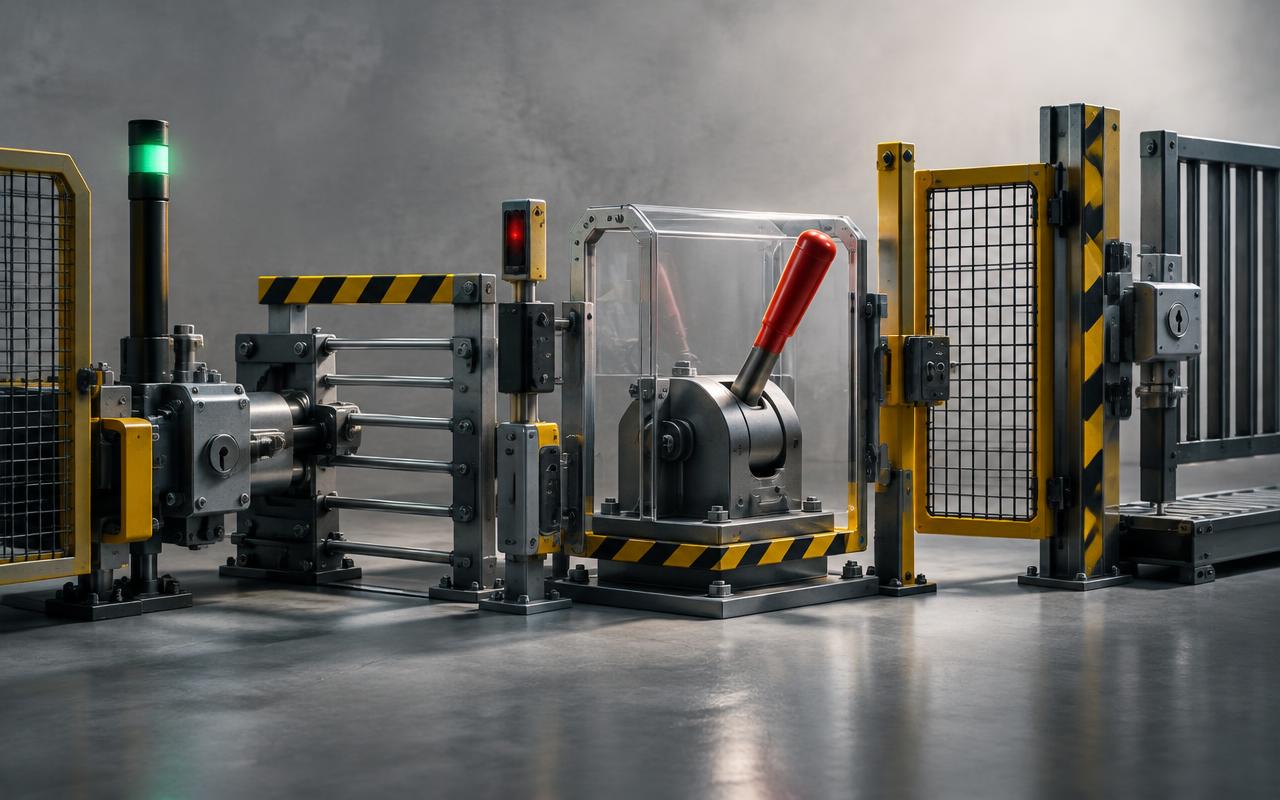
There is a concept in engineering called \"safety by inconvenience.\" Some systems are safer precisely because they are hard to use. The friction built into them slows people down, forces deliberate action, and creates checkpoints where errors can be caught. When you remove that friction in the name of efficiency, you often remove the mechanism that was preventing bad outcomes. This is as true for institutions as it is for industrial machinery.
Consider the multi-step approval processes that AI can now streamline or bypass entirely. From one angle, those processes look like bureaucratic bloat. From another angle, they are error-detection infrastructure. Each step is a chance for someone with a different perspective to notice something that went wrong upstream. Collapse those steps into a single AI-assisted flow and you might produce a cleaner, faster process that also propagates errors at higher velocity with less chance of catching them before they cause real damage.
The organizations that will handle this well are the ones that take an honest look at which parts of their friction were genuinely wasteful and which were doing invisible safety work. That is harder than it sounds, because the safety work is often not labeled as such. It shows up as things like \"we have always done it this way\" or \"so-and-so always double checks before we send it out.\" When you automate those steps away, the institutional knowledge of why they existed often disappears with them.

None of this means institutions should resist AI or reject the efficiency gains it offers. The argument is not against speed. It is against speed without structural awareness of what makes speed dangerous in complex systems. The organizations that will benefit most from AI are the ones that treat resilience as a design constraint, not an afterthought. They will ask not just \"how can AI make us faster\" but \"what do we need to preserve, strengthen, or build so that we can handle failure when it comes.\"
That means being deliberate about which decisions get automated and which stay human. It means investing in the kind of cross-training and deliberate practice that keeps people sharp even when the AI is handling routine cases. It means building feedback loops that surface system failures before they cascade, and creating culture where slowing down to verify is respected rather than seen as inefficiency. These are not glamorous investments. They do not show up well in the quarterly metrics that drive most institutional behavior. But they are the difference between an organization that is fast and fragile and one that is fast and durable.
The most dangerous version of AI adoption is the one where institutions gain speed and lose resilience without realizing it, until a novel stress arrives and reveals the gap. The good news is that this outcome is not inevitable. But avoiding it requires asking questions that most AI deployment conversations are not currently asking: not \"how fast can we go\" but \"how much speed can we safely absorb, given what else we are trying to preserve.\"
Topics in this article
You might also like
View all
The Shortcut That Works Until It Does Not
AI can ace the test by learning the wrong pattern, then fail when the world changes.
The AI Question Nobody Wants to Own
The hard part is not finding the off switch. It is deciding who can use it.

Runaway AI as a Cybersecurity Problem
The biggest runaway risk may be an AI system compromised by someone else.