How AI Is Redefining What It Means to Create
When making is nearly free, choosing becomes the creative act.
 Sahir Maharaj10 min read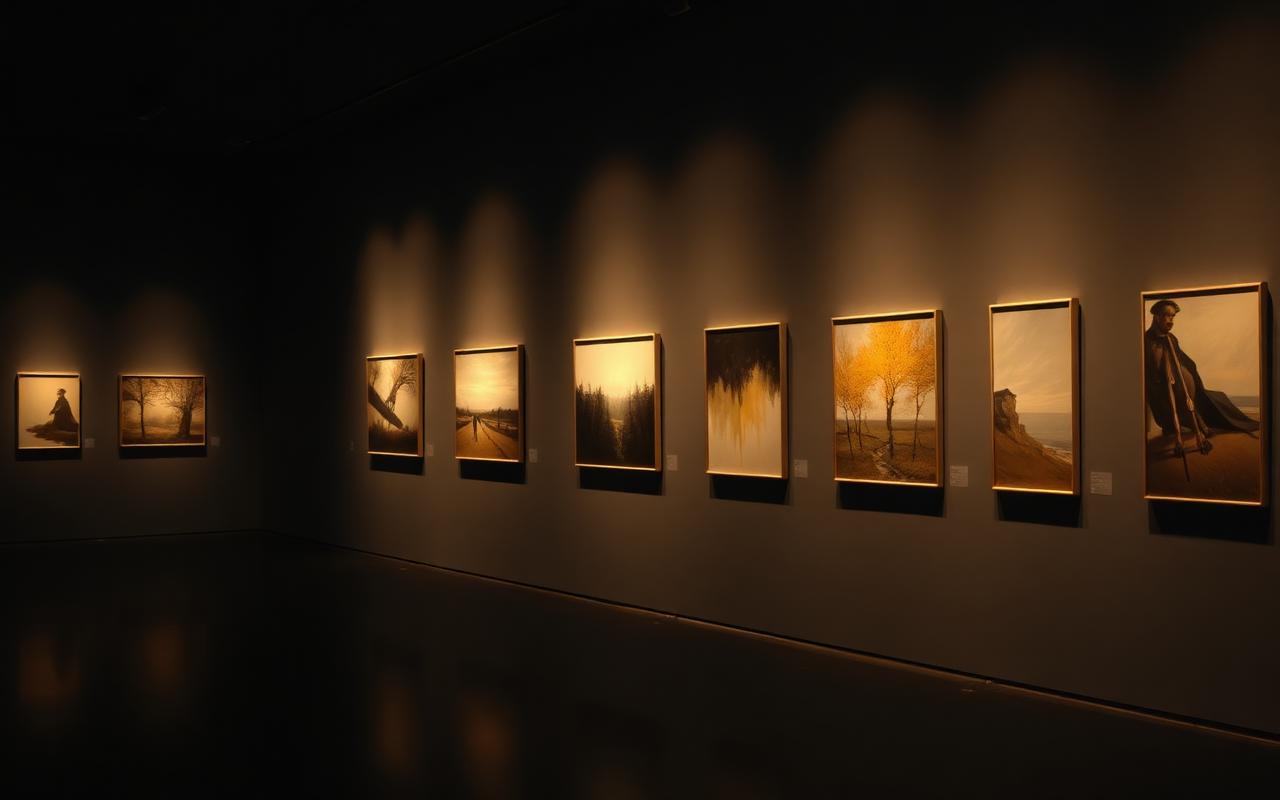
There is a recurring argument in the art world that curation is not creation, that the person who selects and arranges the works of others is doing something categorically different from, and lesser than, the person who makes something from nothing. This argument has always been somewhat contested, and the history of art contains enough examples of curators whose vision shaped cultural movements more profoundly than the individual artists they championed to make the categorical distinction uncomfortable. But it is an argument that the arrival of generative AI has made newly urgent, because the relationship between selection and creation has shifted in ways that are difficult to map onto existing categories. When anyone can generate a competent image, a convincing paragraph, a plausible melody with a well-crafted prompt, the question of what distinguishes the person who makes something remarkable from the person who makes something competent has a new and genuinely interesting answer: it is the quality of their selection.
I want to think about this carefully rather than quickly, because the curation-as-creation argument can be stated in ways that are trivially true and uninteresting, and in ways that are genuinely significant. The genuinely significant version says that the most important creative skill in an AI-mediated world is the ability to envision what could exist that does not yet, to communicate that vision precisely enough to the AI to generate it, to recognise it when it appears, and to arrange it in relation to other work in ways that produce meaning and resonance. This version of curation is something more than selection. It is something like directorship, and it is genuinely creative in the sense that matters.
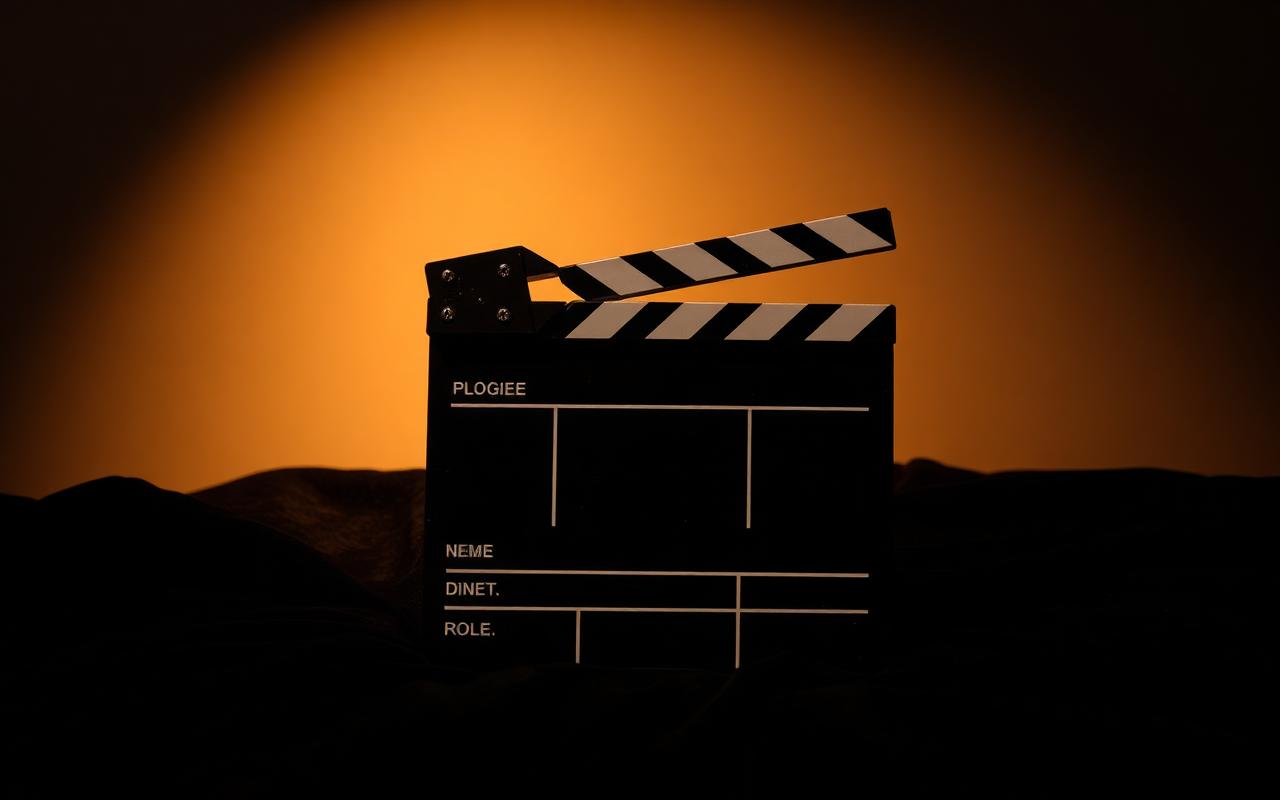
The analogy I keep returning to is the film director. A director does not operate the camera. A director does not write every line of dialogue. A director does not compose the score. A director makes the decisions about how all of these elements are combined, what the film is about, what emotional world it creates, what the shot selection means in relation to the performance, how the music amplifies or complicates the image. The director's creative contribution is real even though almost none of the individual elements of the film were produced by the director's hands. The AI-augmented creator occupies a structurally similar position, and the question is whether the field of art and culture is ready to extend to them the same creative legitimacy that we have always extended to directors.
The specific shift AI creates for the creative economy is this: the bottleneck on creative production has moved. It used to be at the level of making: the limiting factor on how much creative work existed was the time, skill, and resources required to produce it. AI has not eliminated the value of exceptional skill, but it has dramatically lowered the floor: the minimum level of technical competence needed to produce something that looks like a painting or reads like a paragraph is now accessible to almost anyone. The bottleneck has moved from making to choosing.
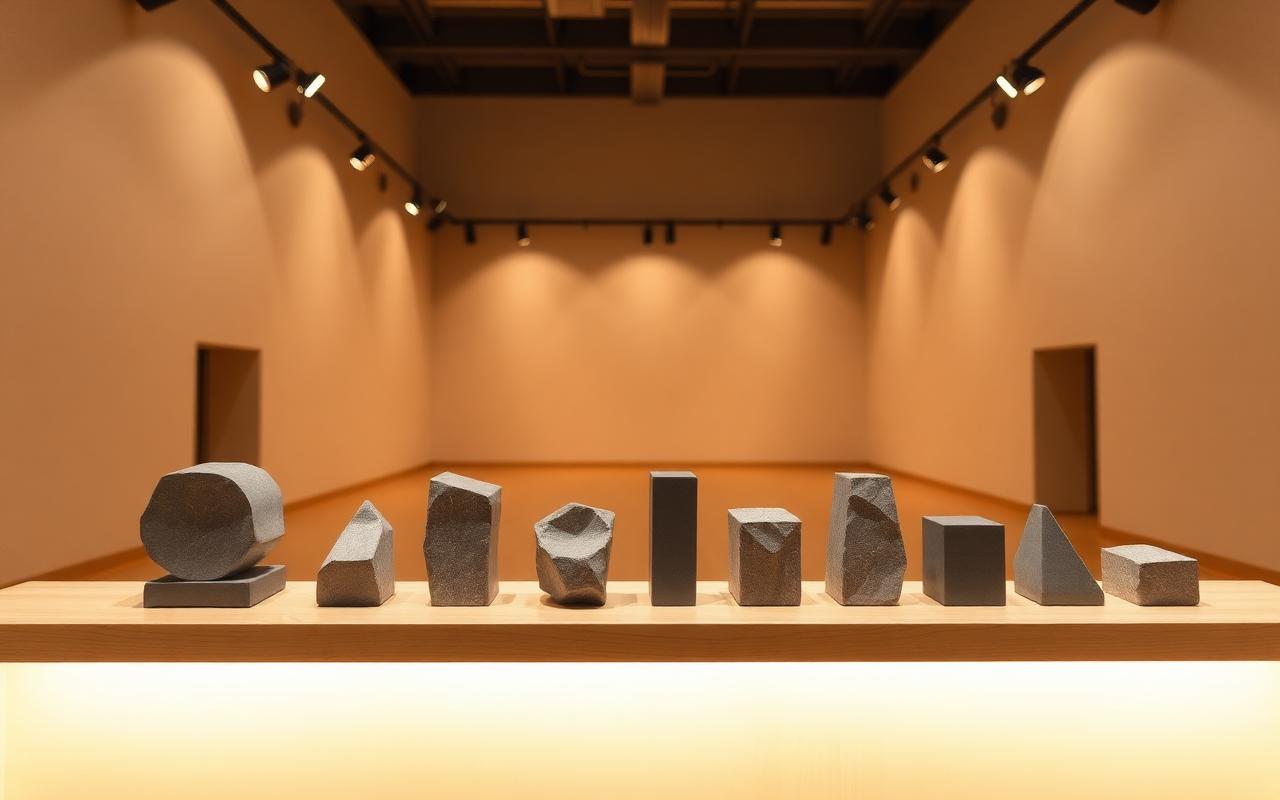
When the bottleneck is at the level of choosing, the skills that matter most are the skills of taste, judgment, and vision. Taste: the ability to reliably recognise what is interesting, what is moving, what is surprising, what is resonant, as opposed to what is merely competent. Judgment: the ability to evaluate work against purposes and contexts, to know when something works for what it is trying to do rather than just in the abstract. Vision: the ability to imagine what could exist that does not yet, to articulate a creative direction that is specific enough to guide AI generation but open enough to be surprised by what emerges from it. These skills are not new. They are the skills that have always distinguished great editors from average ones, great art directors from merely competent ones, great curators from those who merely have access to interesting work.
The implication for who gets recognised as a creative in the AI era is significant. The person whose value has always been in their taste rather than their technical execution has always been somewhat undervalued in a culture that celebrated making over choosing. The art director whose vision shaped a campaign but whose hands touched no brush. The editor whose judgment shaped a book but whose prose never appeared on its pages. The A&R executive whose ear identified an artist before anyone else heard them. These people have historically been backstage figures whose contributions were real but whose names the public did not know. AI is creating conditions in which their kind of contribution becomes the central creative act. The backstage is moving to centre stage.
The challenge to the curation-as-creation argument comes from a specific and serious place: the concern that decoupling creative recognition from the labour of making devalues the genuine skill and craft that making requires, and provides cover for people who are essentially free-riding on the labour of others, whether those others are human artists whose work trained the AI or human workers who could be employed to make the thing directly. This concern deserves honest engagement rather than dismissal. The labour and training data concern is legitimate. The generative AI systems that produce the outputs that curators select from were trained on vast amounts of human-produced creative work, much of it without the consent or compensation of the creators. Whether that relationship constitutes free-riding, or whether it is analogous to any creative work that builds on the tradition that came before it, is a genuine ethical question the current framework for crediting and compensating AI-assisted work has not adequately resolved.
The pure selection argument, where the curator's contribution is limited to choosing among outputs generated entirely without their creative direction, does seem to me insufficient for the kind of creative recognition that would make someone the next famous artist. What makes curation genuinely creative in the sense that matters is the combination of vision, direction, and evaluation: the ability to define a creative territory, to guide the AI toward it with specificity and intention, to recognise and develop what emerges, and to arrange the results in relation to each other and to the culture in ways that produce meaning that neither the AI nor any individual output could have produced alone. That combination is creative in a way that passive selection is not, and the distinction between them is what will determine whether the curators of the AI era are remembered as artists or as the people who knew how to use a sophisticated autocomplete.
What gives me genuine optimism about the curation-as-creation model is that it opens the creative economy to contributions that have historically been undervalued. The person who has always had extraordinary taste but lacked the technical execution skills to realise their vision has historically been a frustrated appreciator rather than a recognised creator. The person who has a distinctive way of seeing the world but whose manual skills were never the vehicle for that vision has historically been someone who might have been a critic, a curator, an editor, but not an artist in the primary sense. AI changes that. The vehicle for distinctive vision now includes the ability to direct AI toward that vision and to recognise it when it appears. That is a genuine expansion of who can participate in creative production, and whatever complications the model introduces, that expansion seems to me worth taking seriously.
Topics in this article
You might also like
View all
AI Is Turning Mediocre Ideas Into Beautiful Presentations
Polish used to be evidence of thinking. It is not anymore.
AI Is Making Nobody Original
The tools that democratised making are quietly homogenising what gets made.
Learning to See in an AI World
Computational capture, generative images, and what photography is still for.