Learning to See in an AI World
Computational capture, generative images, and what photography is still for.
 Sahir Maharaj10 min read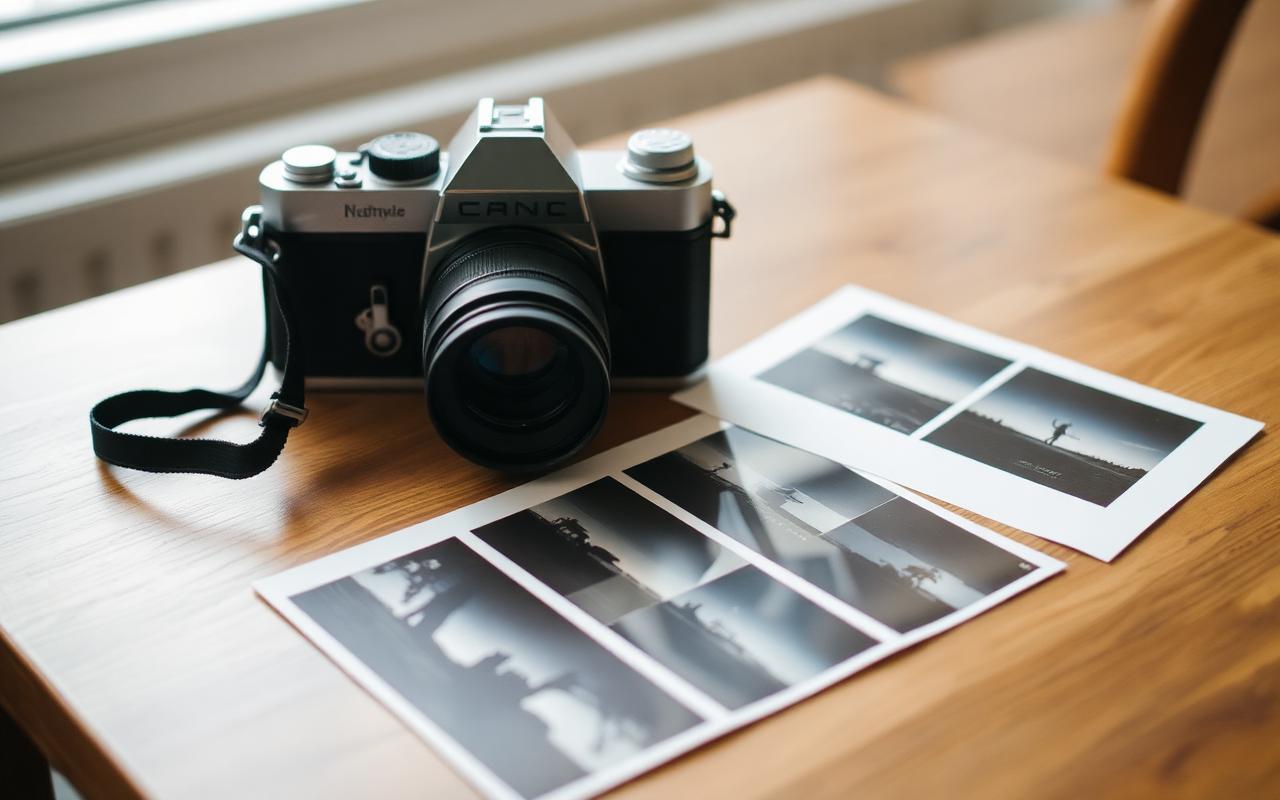
I learned to take photographs on film. Not for any particularly romantic reason, just because that was what was available when I started, and the discipline of working with a finite number of exposures, of not being able to see what you had captured until the roll came back from the lab, shaped how I looked at scenes and thought about framing in ways I am still grateful for. My relationship to photography has changed significantly since AI started becoming part of the toolset, and the change is not entirely one I expected.
AI is reshaping photography along two distinct tracks that are both accelerating rapidly. The first is the integration of AI into the capture and processing workflow, the computational photography that has already transformed what smartphone cameras can do and is increasingly embedded in professional camera systems and editing software. The second is AI image generation, the ability to create photographic-quality images from text prompts without a camera, a subject, or a physical scene.
These two tracks are sometimes conflated, but they raise quite different questions. Computational photography augments human creative vision. Generative AI creates images in a process that is so different from photography that calling it photography at all is itself a contested question. How that distinction is resolved will shape what photography means for the next generation of visual communicators.
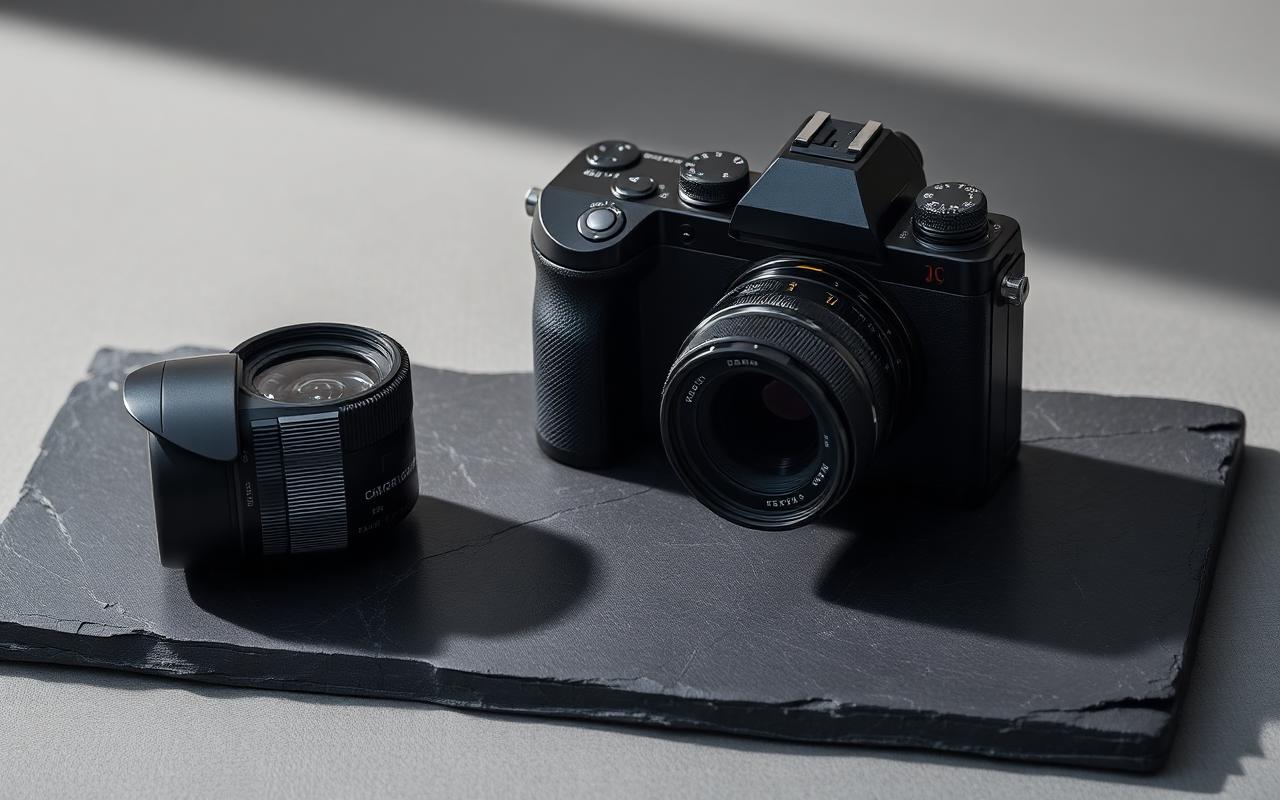
The computational photography revolution is already here, and for most photographers it is largely beneficial. AI-powered autofocus systems that track subjects with extraordinary precision, computational HDR that recovers detail in shadows and highlights beyond what any single exposure could capture, night mode processing that produces usable images in conditions that would have been impossible to shoot in even five years ago, and AI-powered noise reduction that preserves detail at high ISOs are genuinely enabling technologies.
The accessibility dimension also deserves acknowledgment. Entry-level camera systems with AI-assisted capabilities now produce results that a decade ago required expensive professional equipment and significant technical expertise. The person who wants to document their family, their community, or their world, and who has limited resources and limited time to develop technical photography skills, can now produce images that actually capture what they were trying to capture. That democratization of visual expression has real cultural value.
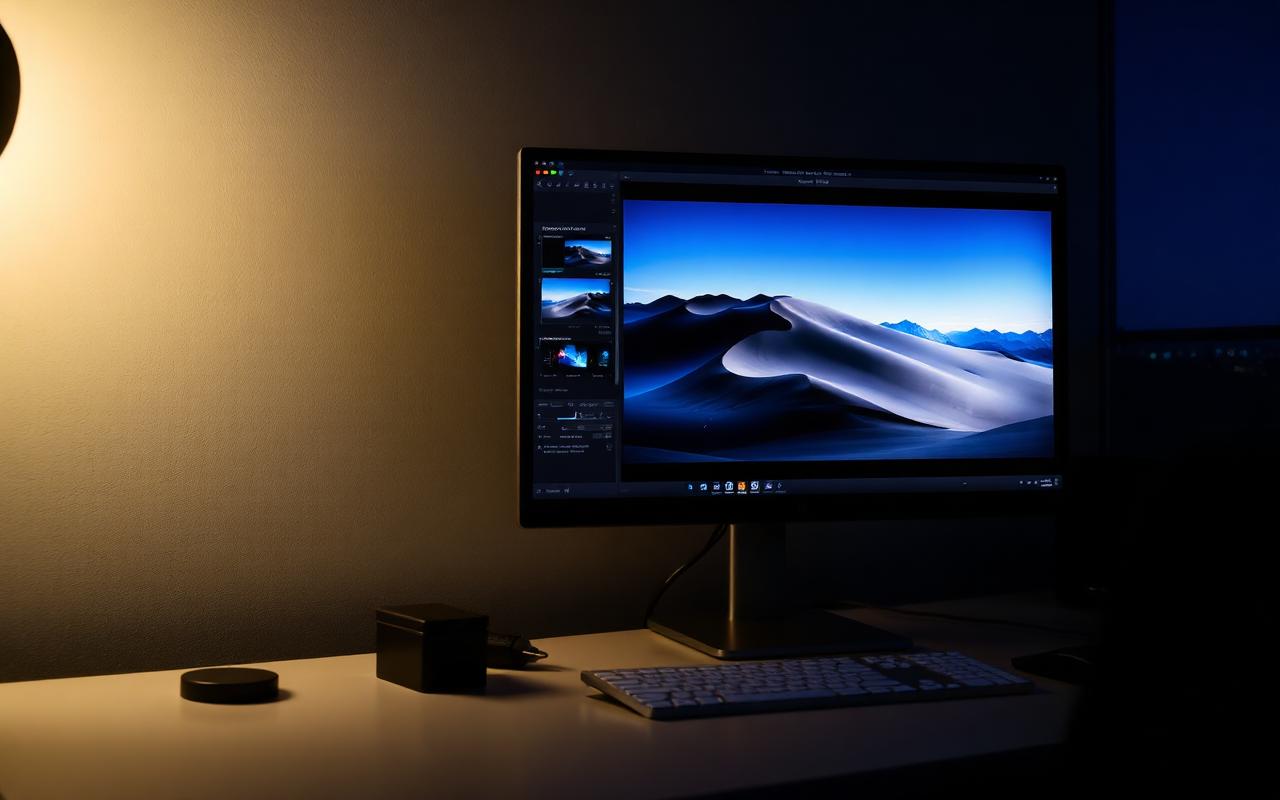
In post-processing, the AI tools now embedded in professional editing software are similarly enabling for photographers who understand what they are doing. Content-aware fill, sky replacement, intelligent masking, subject selection, and automated batch processing of complex adjustments are all reducing the mechanical labor involved in realizing a creative vision.
The important distinction is between AI as a tool for realizing the photographer's vision and AI as a substitute for developing that vision. The photographer who uses AI tools to do faster and better what they were already doing thoughtfully is using the technology well. The photographer who relies on AI to make creative decisions they have not learned to make themselves is using it in a way that may limit their development.
Generative AI image creation is a genuinely different thing from photography, and the conversation about whether it belongs in photography contexts, competitions, and exhibitions is one worth having seriously rather than dismissing in either direction. A photograph, in the traditional understanding, is a record of light that was actually present in a real scene at a specific moment. A generative AI image has no such connection. That distinction matters in contexts where the evidential or documentary function of photography is relevant.
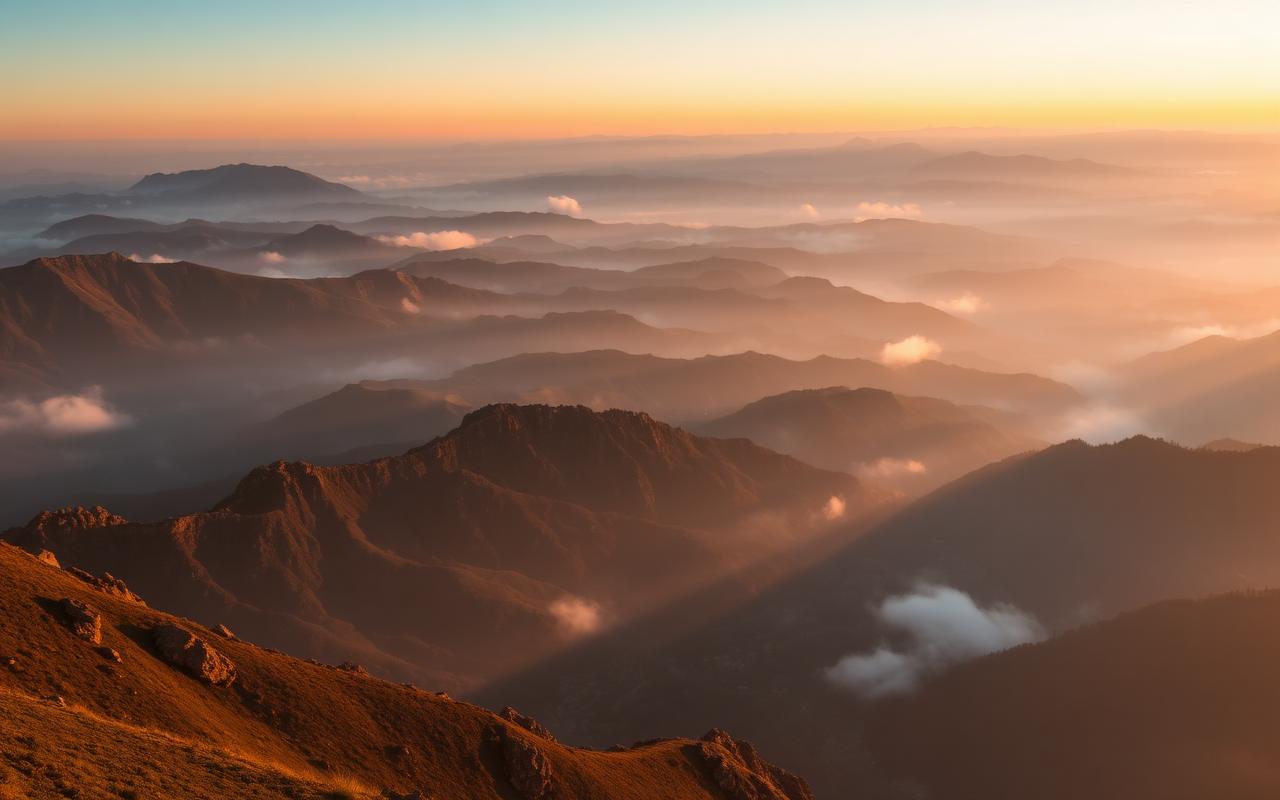
The ethical concerns around generative AI in photography are real. Training data for image generation models has been drawn from existing photographs, often without the consent of the photographers who made them. The economic consequences for photographers who work in categories that AI generation can replicate, stock photography being the clearest example, are already visible and likely to intensify. The use of generative AI to create realistic images of real people in scenarios they did not consent to represents a serious harm that is already occurring at scale.
And yet the creative possibilities that generative AI opens for visual artists are genuinely interesting in contexts where they are used honestly. The ability to visualize scenarios that cannot be photographed, to explore aesthetic directions that would require enormous production budgets to achieve through traditional photography, to iterate rapidly through visual concepts in pre-production for commercial or editorial projects, represents a meaningful expansion of visual creative capacity.
What AI does not change, and cannot change, is the fundamental human capacity that makes photography meaningful in its most important forms. The ability to see, which is different from the ability to look, to notice the significance of a moment, to recognize the relationship between light and subject that makes an image more than a record, to feel the quality of attention required to be present enough to capture what is genuinely there. AI tools can do many things, but they cannot see for you. Developing the capacity to see, which is what photography education at its best has always been about, is still the work that matters most.
Topics in this article
You might also like
View all
How AI is Shaping our Creativity
GAN-generated art, the authorship question, and what still counts as an encounter.
AI Is Making Nobody Original
The tools that democratised making are quietly homogenising what gets made.

The Next Status Symbol Is Human-Made
When generation is free, the thing a machine cannot make becomes the luxury.