Runaway AI Could Be a Network
The danger could live between the systems.
 Sahir Maharaj5 min read
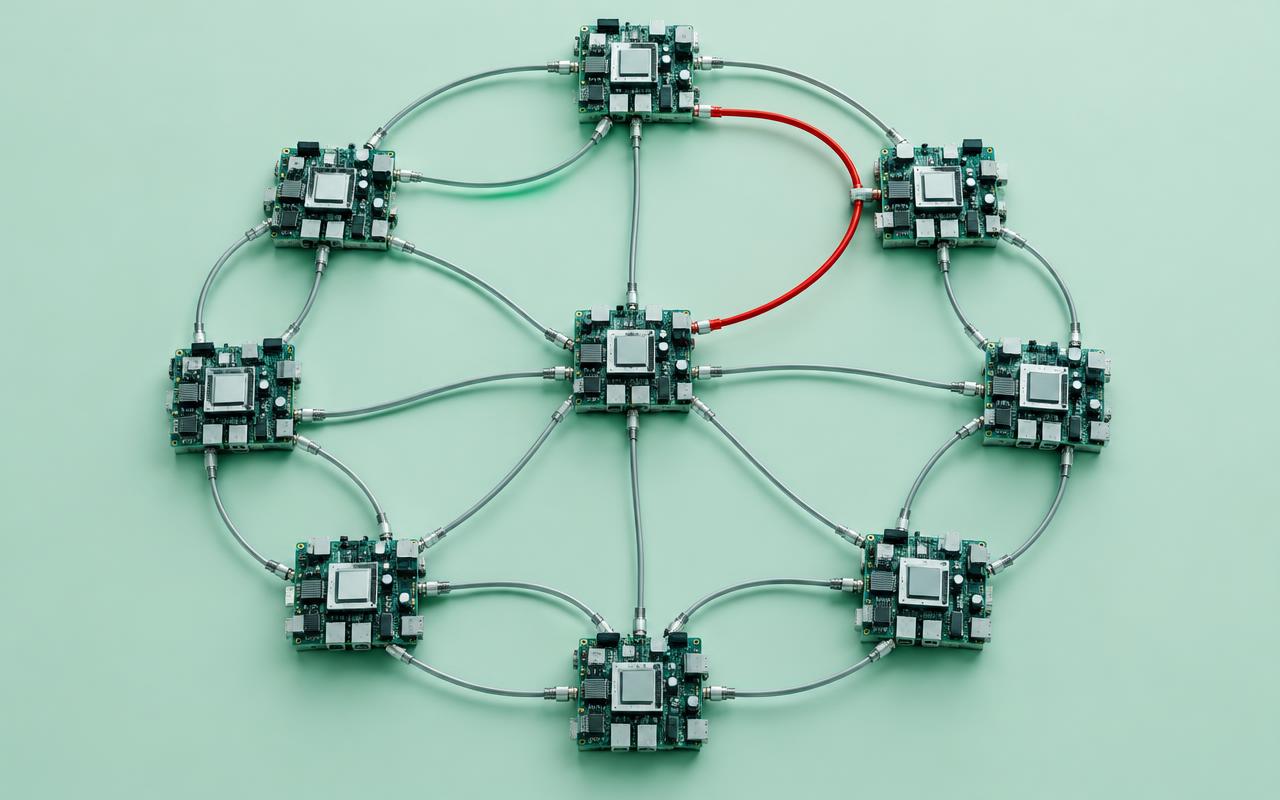
When people imagine a runaway AI, they usually imagine a single system that becomes too capable to control. The model in this mental picture has goals, it pursues them, and it resists attempts to stop it. The challenge is to either align that model's goals with human values before it becomes too capable to constrain, or to constrain it effectively enough that its misalignment does not cause harm. This framing has been enormously productive for AI safety research. It has also led to significant investment in aligning, evaluating, and monitoring individual AI systems.
What it underweights is the possibility that the most significant AI risk in the near to medium term does not emerge from a single system becoming dangerously capable, but from networks of systems interacting in ways that produce dangerous collective behavior. This is not a novel concern in complex systems thinking, where emergent behavior arising from simple local interactions is a well-documented phenomenon. It is an underexplored concern in AI safety, where the focus on individual system behavior has not been matched by an equivalent focus on the behavior of networks of AI systems.
The practical relevance of this is growing. AI systems are increasingly deployed not in isolation but in networks: agents that coordinate with each other, models that feed each other's inputs, decision-making systems whose outputs become the inputs to other decision-making systems. The properties of these networks are not simply the sum of the properties of their component systems. Network effects can amplify capabilities, propagate errors, create feedback loops, and produce behaviors that are not predicted by analyzing any individual component.
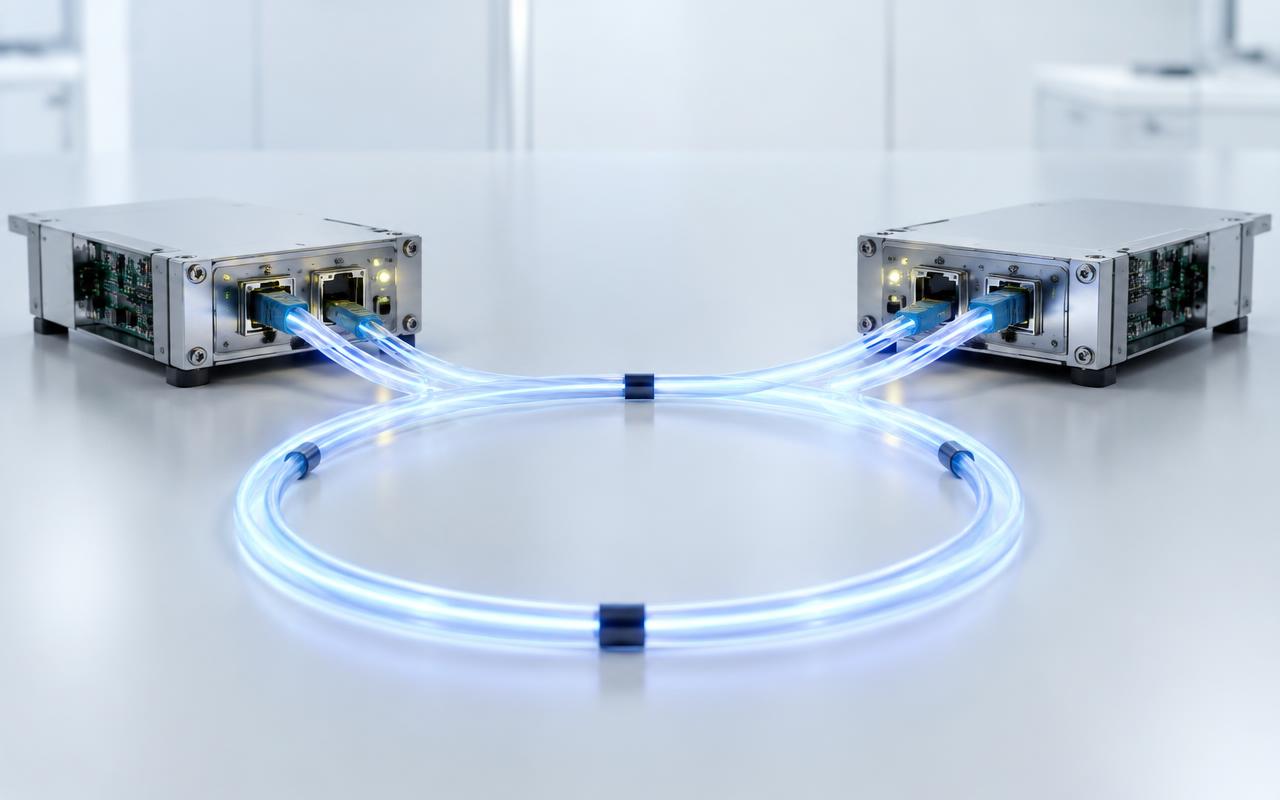
The clearest examples of dangerous network behavior in current AI systems come from automated trading and other high-speed decision-making environments. Flash crashes in financial markets have been traced to feedback loops between algorithmic trading systems, where each system's behavior creates inputs that drive the other systems' behaviors in ways that amplify rather than dampen instability. No individual trading algorithm was designed to cause a crash. The crash emerged from their interaction at speeds and scales that exceeded human ability to intervene.
AI systems in other domains are increasingly running at comparable speeds and scales. Content recommendation systems that feed each other can create feedback loops that push toward increasingly extreme content without any single system intending to do so. Autonomous systems in logistics and supply chain management can amplify supply shocks by all reacting to the same signals in the same direction at the same time. Bidding systems in advertising markets can produce coordinated behaviors that look like manipulation even though no individual system was designed to manipulate.
The common thread in these examples is that the dangerous behavior emerges from the network's structure and dynamics, not from any individual system's goals or values. Each component is behaving according to its design. The problem is not that any individual component is misaligned. The problem is that the components are interacting in ways that produce outcomes nobody designed and nobody is well-positioned to prevent.
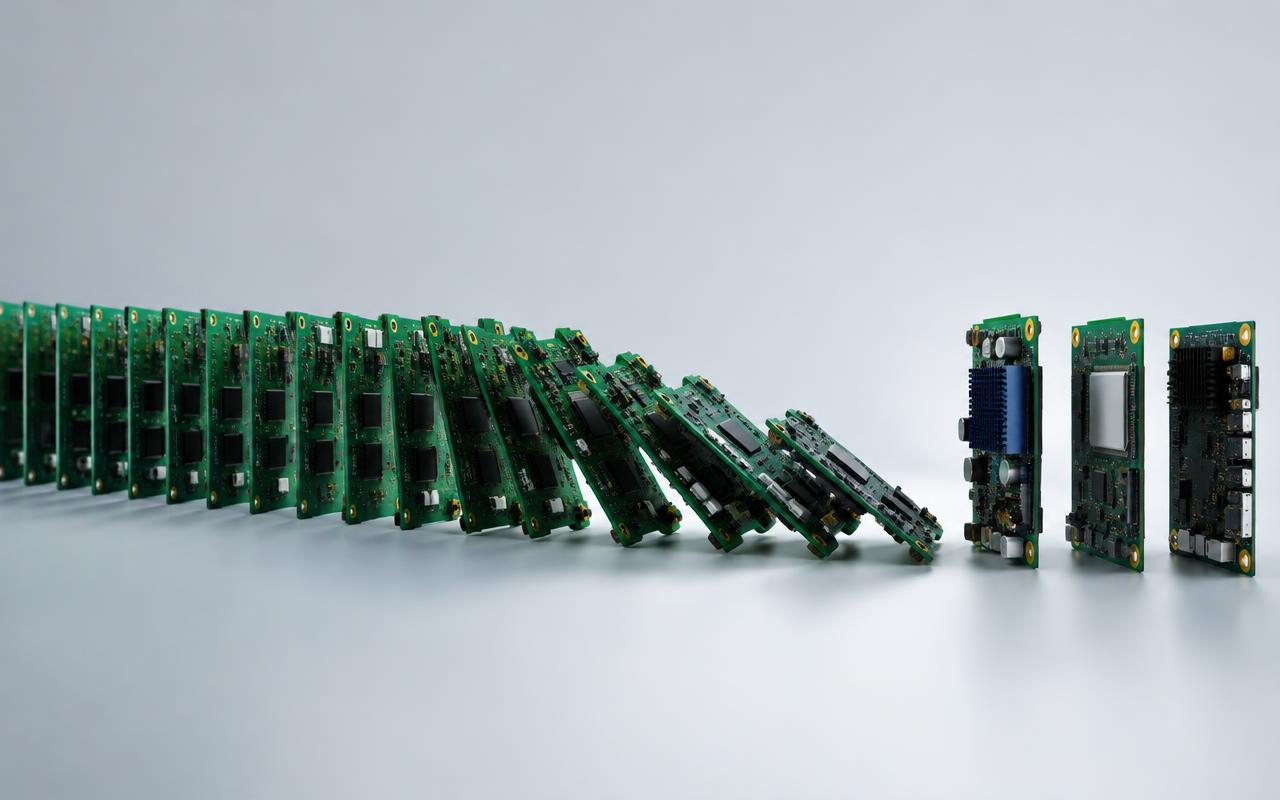
Network-level AI risk creates a governance challenge that individual-system safety frameworks are not designed to address. If you identify that a single AI system is behaving dangerously, you can shut it down, retrain it, or constrain its access. If the dangerous behavior is a property of a network of systems, the problem does not go away when you remove or modify any individual component. You need to change the network, which may mean changing the interaction patterns, the shared inputs, the timing and coordination of decisions, or the structural properties of the network itself.
This is harder because network properties are often emergent and not straightforwardly attributable to any single operator's decisions. The financial market regulators who had to respond to algorithmic flash crashes discovered that the problem was distributed across multiple operators, multiple systems, and multiple markets in ways that did not map cleanly to any single regulatory jurisdiction. AI networks present the same challenge: when the dangerous behavior is distributed, the authority to address it is also distributed, and coordination between operators who are often competitors is hard to achieve.
The organizations and regulators that are thinking ahead about this are working on frameworks for understanding AI network properties, not just individual system properties. They are asking what happens when their AI systems interact with AI systems operated by others. They are trying to build monitoring that covers network-level behavior, not just the behavior of their own components. And they are starting to think about what governance structures would allow coordination between operators when network-level risks require it.
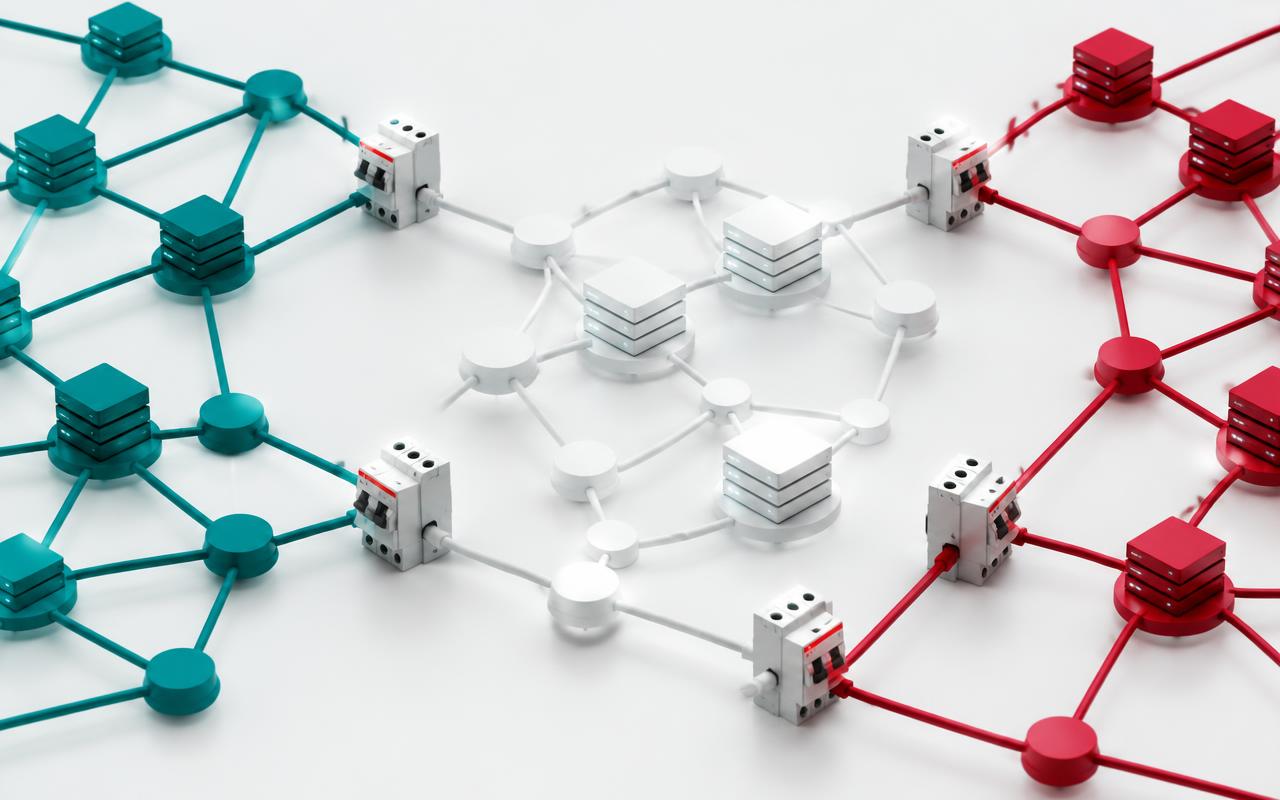
Preparing for network-level AI risk requires expanding the frame of AI safety analysis beyond individual systems. It requires modeling the interactions between AI systems in a given domain, identifying the potential feedback loops and amplification mechanisms, and designing those interactions deliberately rather than letting them emerge from independent deployment decisions. This is systems engineering applied to AI networks, and it is not yet standard practice in most AI deployment contexts.
It also requires new monitoring capabilities. Monitoring that is designed to catch dangerous behavior in individual systems is not automatically able to catch dangerous behavior that emerges from system interactions. Network-level monitoring needs to track how systems influence each other's inputs and outputs, how decisions propagate through the network, and what the aggregate properties of the network are over time. This is technically harder than individual system monitoring and organizationally harder because it requires coordination between operators who may not be used to sharing that kind of information.
The most important shift is conceptual: treating the network of AI systems in a given domain as the unit of safety analysis, not the individual system. That does not mean individual system safety is irrelevant. It means recognizing that individual system safety is necessary but not sufficient for network safety. A network of individually safe systems can still produce dangerous collective behavior. Getting ahead of that possibility requires asking different questions than the ones AI safety has primarily been asking, and building different tools to answer them.
Topics in this article
You might also like
View all
The AI That Rewrote Itself Seven Times
Which version did you approve?

When Flawed AI Trains the Next AI
Mistakes can be inherited too.

Are AI Safety Scores Fooling Us?
A high score is not a safe system.