The Next Status Symbol Is Human-Made
When generation is free, the thing a machine cannot make becomes the luxury.
 Sahir Maharaj10 min read
There is a pattern that emerges whenever a production process that was previously rare and expensive becomes abundant and cheap. The abundant version serves the mass market. The rare original becomes a luxury. We see it with food: industrial food production made mass-market food abundant and cheap, and in response, artisan food, farmer's market produce, and slow-food practices developed as premium markers of taste and status. We see it with clothing: industrial garment production made fashion accessible to everyone, and in response, bespoke tailoring, artisanal leather goods, and heritage manufacturing became the luxury category. We see it with music: digital reproduction made recorded music free, and in response, live performance and physical vinyl records became the premium cultural consumption experience. In each case, the democratisation of the product created a new scarcity: the scarcity of the thing that the democratisation could not replicate.
AI is producing the same dynamic for creative and intellectual work, and the implications of it are worth tracing carefully. When AI can generate a competent essay, a functional piece of code, a usable piece of music, a credible image, or a serviceable marketing campaign at effectively zero marginal cost, the distinction between the abundant version and the scarce original becomes significant in new ways. The abundant AI-generated version satisfies functional requirements. The scarce human-made version satisfies something beyond functional requirements: the desire for authentic expression, genuine human effort, and the specific quality of encounter with another human consciousness that the functional version cannot provide.
The specific attributes of human-made work that become premium when AI generation is free are the ones that AI generation cannot provide, and understanding them clearly is important because they are not simply the opposite of what AI does well. They are properties that have always had cultural value but that were previously bundled with properties that AI can now replicate, making the bundle less distinctive but the separable valuable properties more so.

The first is evidence of genuine effort and attention: the knowledge that a human being spent real time and genuine attention on this specific thing. This was always part of what gave hand-made objects, personally written correspondence, and carefully crafted creative work their particular quality. When AI can produce the same thing in seconds, the fact that a human took significant time and care to produce it becomes more visible and more meaningful rather than less. The artisan who spent months on a piece of furniture is doing something that is more obviously distinct from AI production than they were when industrial furniture required weeks of factory labor to produce.
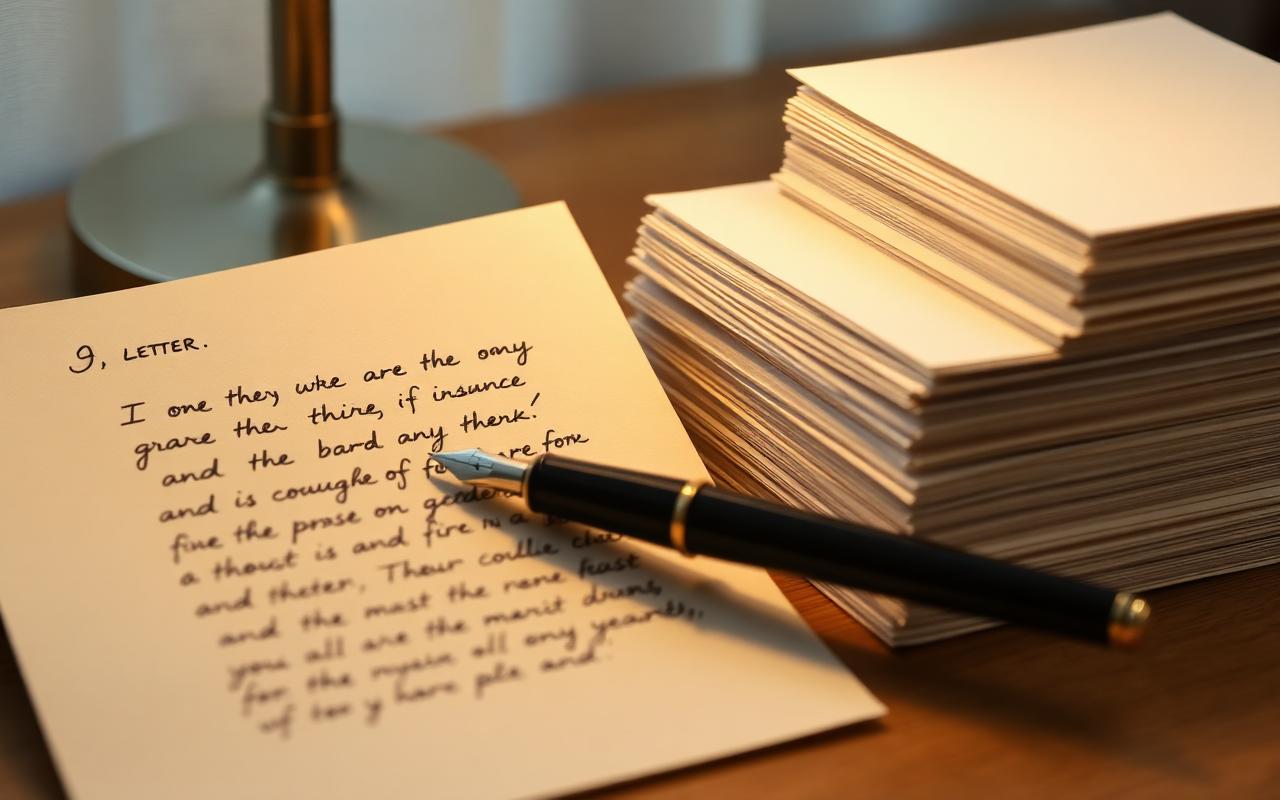
The second is specificity of perspective: the quality of an encounter with another human consciousness that reflects a particular person's genuine experience and point of view. This is what distinguishes a letter from a form, a personal essay from a SEO article, a hand-drawn illustration from a stock image. AI can produce all of these in their external forms. It cannot provide the encounter with another human subjectivity that the genuine versions offer. As AI-generated content becomes abundant, the quality of genuine human perspective becomes more legible as a distinct and scarce thing rather than simply being the default character of all creative work.
The status economy that emerges around human-made work in the AI era is likely to be stratified in ways that reflect existing patterns of cultural and economic inequality, which is worth naming honestly. The premium segment, the people who can pay significantly more for human-made goods and services because the distinction matters to them and they can afford to express that, will be primarily high-income consumers in developed economies. The mass market, which benefits from AI abundance in terms of access to functional quality at low cost, will not have the same access to the premium human-made category. This is the same dynamic that emerged in food, clothing, and music, and it has the same ambiguous character: the premium category preserves and develops values that would otherwise be lost, while also being accessible primarily to those who can afford to pay the premium.
The specific domains where the human-made premium is most likely to develop robustly are those where the distinction between genuine human engagement and AI generation is most directly relevant to the value of the thing. Personal services where the quality of the human relationship is central to the value: therapy, mentoring, teaching, caregiving. Creative work where the encounter with a specific human consciousness is what the audience is seeking: writing that reflects a distinctive personal perspective, art that carries genuine emotional investment, music that conveys specific human feeling. Professional services where the judgment of a specific human being who is accountable and genuinely engaged with your situation is what you are paying for: legal counsel, medical advice, strategic consultation.
The interesting development is that the human-made premium is not confined to luxury goods in the traditional sense. It is also developing in professional services and in forms of cultural production that have not previously been organised around the distinction between human and non-human production. The consultant who explicitly positions their work as the product of genuine human engagement and judgment is doing something different from the consultant who uses AI to produce comparable outputs at lower cost. The question of which positioning wins in the market is not yet settled, and the answer will vary by client, by domain, and by the specific nature of the engagement.

For creators and professionals who are thinking about how to position themselves in an economy where AI can generate functional versions of their work, the human-made premium dynamic suggests a specific strategic direction: invest in and make legible the specifically human qualities of your work that AI cannot generate. This is not a strategy of competing with AI on productivity, which will rarely go well for human creators. It is a strategy of offering what AI cannot: genuine engagement, specific perspective, real accountability, and the quality of encounter with another human consciousness that the functional AI version cannot provide.
The challenge for this strategy is making the specifically human qualities of the work legible to the audience or client. The functional AI-generated version looks similar in external form, and the distinction requires either a level of engagement with the work that not every audience will invest in, or explicit signals of the human investment that have not previously been necessary because they were assumed. This is the disclosure norm challenge from a different angle: the emergence of abundant AI-generated work creates a need for human creators and professionals to make their human engagement visible in ways they have not previously had to.
The broader cultural question is whether the human-made premium will develop in ways that are genuinely sustaining of human creative and intellectual culture, or whether it will become a niche aesthetic preference of the wealthy while AI-generated output becomes the undisputed functional standard for everything else. The historical analogies from food, clothing, and music suggest that the premium category can develop genuine cultural depth and can influence the mass market in positive ways over time. Whether it does depends on whether the people who care about genuinely human work invest in creating and consuming it with enough seriousness to sustain the cultural ecosystem that makes it possible.
Topics in this article
You might also like
View all
AI Is Making Nobody Original
The tools that democratised making are quietly homogenising what gets made.
What Authenticity Was Doing for Us
How AI is quietly changing what we can trust in a message.

Learning to See in an AI World
Computational capture, generative images, and what photography is still for.