How AI is Shaping our Creativity
GAN-generated art, the authorship question, and what still counts as an encounter.
 Sahir Maharaj10 min read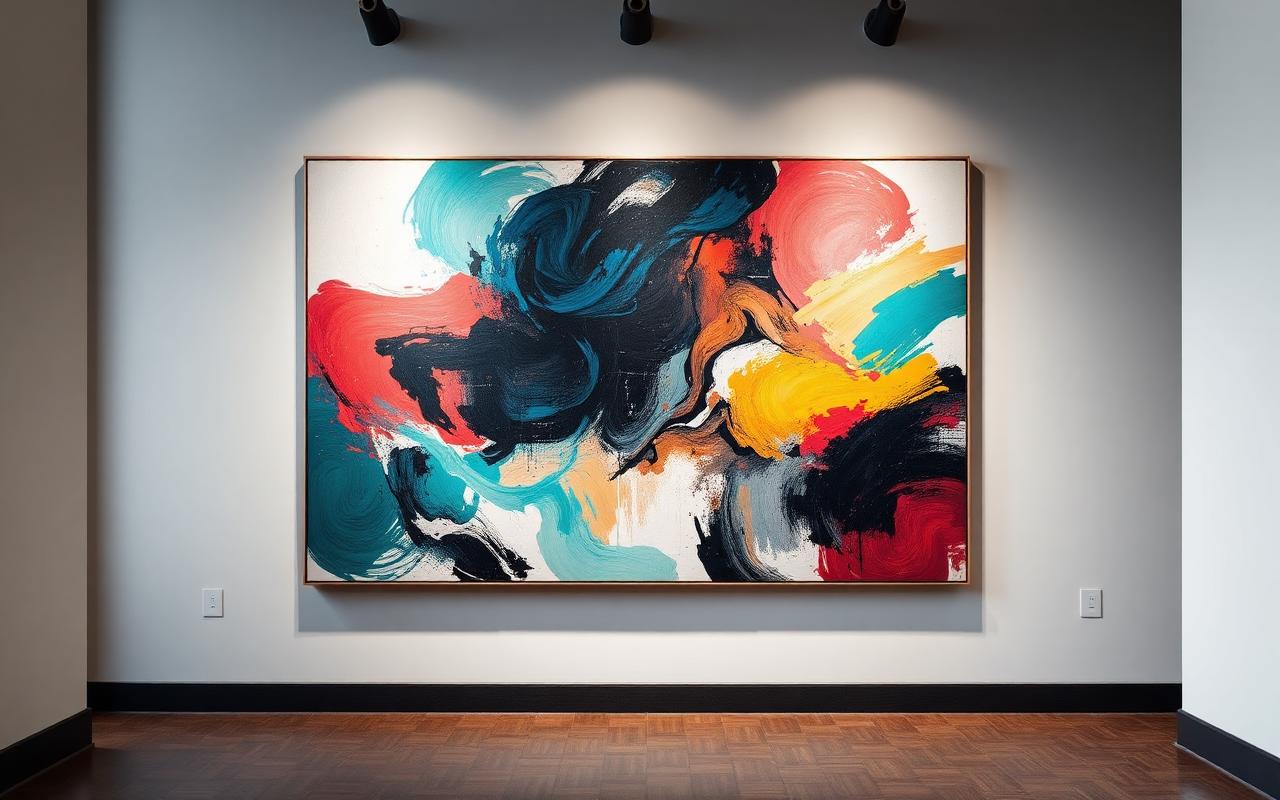
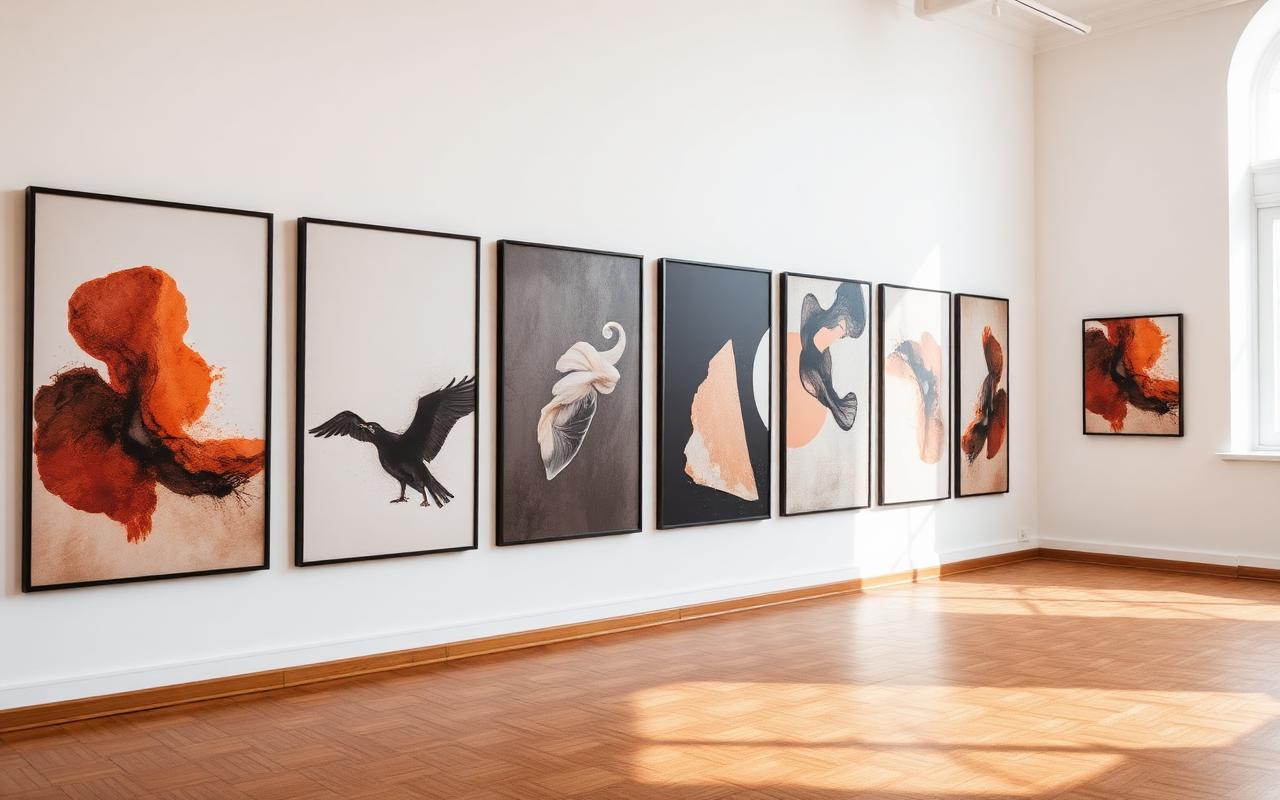
I want to tell you about an image I saw at an exhibition that stopped me completely. It was large format, richly detailed, deeply strange in a way I could not immediately categorize. It looked like a portrait and also like a landscape. The surface quality evoked oil paint but the tonal range belonged to photography. I stood in front of it for a long time trying to decide what I felt, and I eventually decided the most honest answer was that I felt challenged in a productive way, which is what I want from art. Then I read the label. The image had been generated by a generative adversarial network trained on historical portrait paintings. There was no artist in the traditional sense. There was a researcher, a model, and a training dataset. And the question of whether what I had experienced was art remained, genuinely, open.
Generative adversarial networks, or GANs, represent one of the most creatively significant architectures to emerge from deep learning research. The core idea is adversarial training in which two networks, a generator and a discriminator, are trained simultaneously against each other. As training proceeds both networks improve, and the result is a generator capable of producing images of extraordinary verisimilitude in the style and aesthetic range of its training data. Applied to art, this architecture has produced outputs that have challenged museum curators, auction houses, and philosophers of aesthetics in ways the field did not anticipate.
The technical achievement underlying GAN-generated art is significant enough to warrant genuine appreciation. The ability to learn the statistical structure of visual art, to understand not just what art looks like but the relationships between elements that produce aesthetic coherence, and to generate novel images that instantiate that structure in previously unseen combinations, is not trivial. Earlier generative systems produced outputs that were clearly machinic, sophisticated pattern matches without the integration that makes visual art feel unified. Modern GAN architectures have moved significantly beyond that, producing outputs that demonstrate something functioning like compositional judgment.
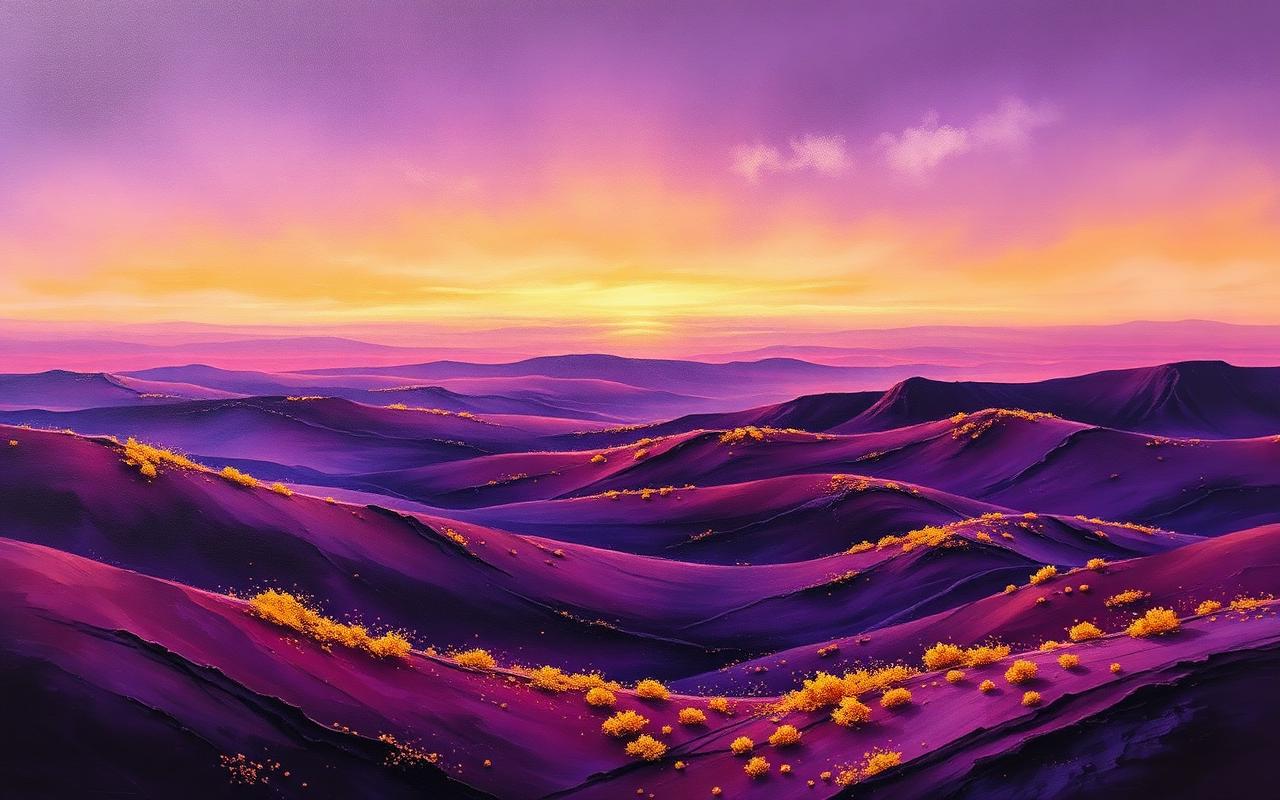
The range of what GAN-based systems have produced is worth surveying. Portraits that interpolate between historical painting styles in ways producing genuinely novel aesthetic territories. Landscapes synthesizing geographic and atmospheric qualities that do not exist in nature. Abstract compositions using learned geometric and tonal relationships to produce images that feel emotionally charged. The creative territory being explored is genuinely new, and some of the work produced in it is genuinely interesting.
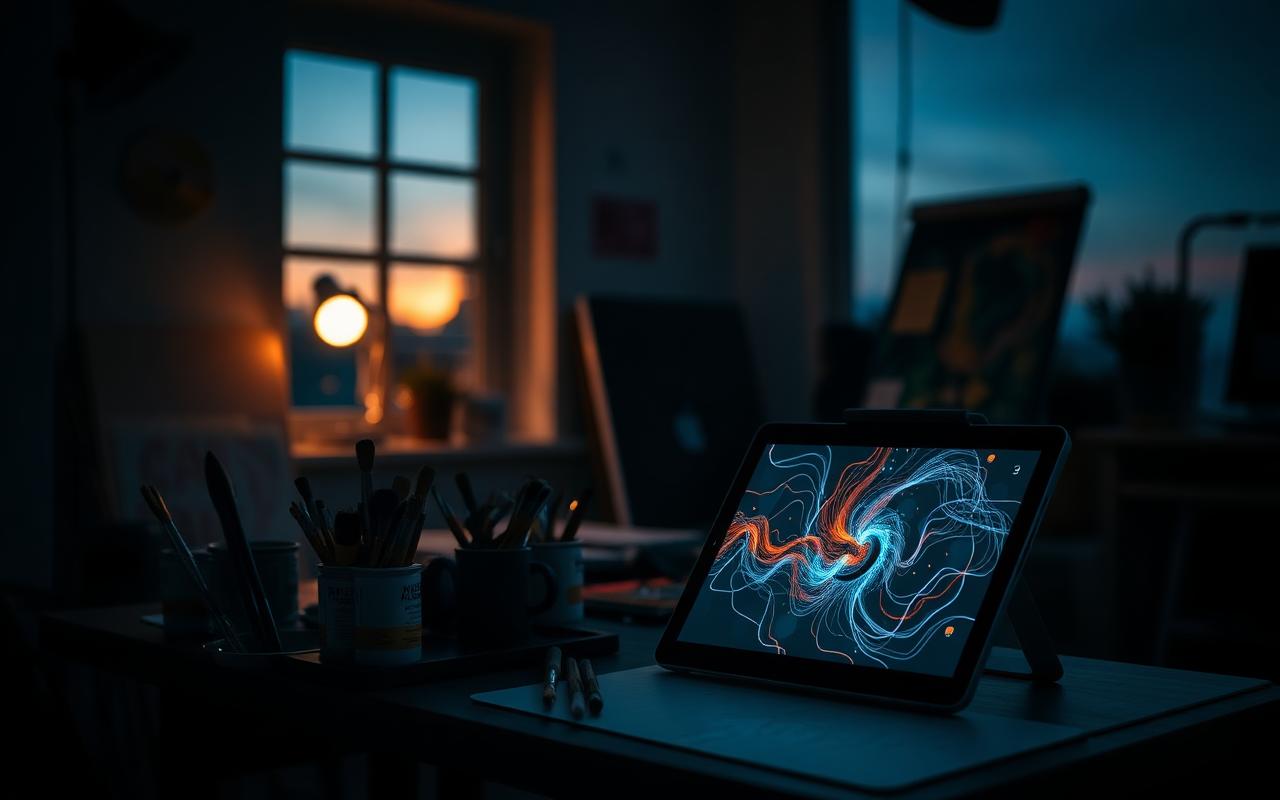
The collaboration between human artists and GAN systems is producing some of the most compelling work at this intersection. Artists who use these systems as creative tools, as a form of visual brainstorming producing starting points and aesthetic directions that pure human ideation might not reach, are creating a new category of practice. The human artist in these collaborations is doing something real and requiring genuine artistic judgment: deciding what to train the model on, how to prompt it, which outputs to select, how to process and contextualize those outputs for presentation. Whether that constitutes authorship in the traditional sense is contested. That it involves genuine creative contribution is, to my mind, clear.
The ethical concerns about GAN art are serious and have not been resolved. The most fundamental is training data. GAN systems that generate art in the style of existing artists are trained on images made by those artists, typically without their consent and without compensation. The argument that training on publicly available images falls under some form of fair use is contested and not settled in most jurisdictions. The economic value being captured partly derives from the creative work of human artists who received nothing for their contribution. That is a genuine injustice that enthusiasm for AI art tends to sidestep.
The authorship question matters for reasons beyond intellectual property. When we attribute a work to an artist, we are making a claim about intentionality, about the presence of a mind that had something to say and found a way to say it. If you encounter an AI-generated image without knowing it was AI-generated, and you have a powerful aesthetic response, and you then discover it was generated by a system, the question of whether your response was appropriate is genuinely unresolved.
The proliferation of AI-generated visual content is changing the visual environment we all inhabit in ways worth paying attention to. When photorealistic images representing nothing real can be generated at scale, the evidential status of visual information changes. When aesthetic styles that took decades to develop can be simulated and applied to any content, the relationship between style and meaning becomes more complex. These are not catastrophic changes. But they are real ones, happening faster than the cultural frameworks for understanding them are developing.
What AI and GANs do not change is the fundamental human capacity for visual attention, for the experience of being genuinely moved by something seen, and for the desire to share that experience with others. The most important thing about art has never been the technical process by which it was made. It has been the quality of encounter it produces. Some AI-generated work produces that quality of encounter. Most does not, for the same reason most human-made visual art does not: making work that genuinely achieves something in the encounter with a viewer is hard, regardless of tools.
The artists who will define what AI art becomes are already working. They are using these tools with genuine creative vision, asking interesting questions through the work, positioning the AI system not as the creator but as a medium, a collaborator with particular properties that can be used thoughtfully or thoughtlessly. The history of art is a history of new materials and new tools producing new possibilities that serious artists engage with seriously. The question is always whether something genuine is being attempted and whether the encounter it produces rewards the attention. On those terms, the medium is irrelevant. The work is everything.
Topics in this article
You might also like
View all
Learning to See in an AI World
Computational capture, generative images, and what photography is still for.
AI Is Making Nobody Original
The tools that democratised making are quietly homogenising what gets made.
The Next Status Symbol Is Human-Made
When generation is free, the thing a machine cannot make becomes the luxury.