When AI Can Sound Like Your Favorite Artist
The voice cloning debate nobody in music wanted to have.
 Sahir Maharaj8 min read
A few months ago I came across a song on social media that stopped me mid-scroll. It sounded exactly like a very famous artist, had the cadence, the vocal texture, the little imperfections that make a voice feel real and human. I actually looked it up because I thought I'd missed a new release. I hadn't. The song had been generated by an AI tool using a cloned version of that artist's voice, and the person who made it had never spoken to that artist, had no permission, and had spent about fifteen minutes on the whole thing.
That moment has been sitting with me ever since, because it felt like the clearest possible signal that AI has arrived in music, not at the edges but right at the center of what makes music feel personal. We don't just like a song the way we like a painting. We attach to the voice. So when an algorithm can replicate that voice, note for note, breath for breath, something complicated happens.
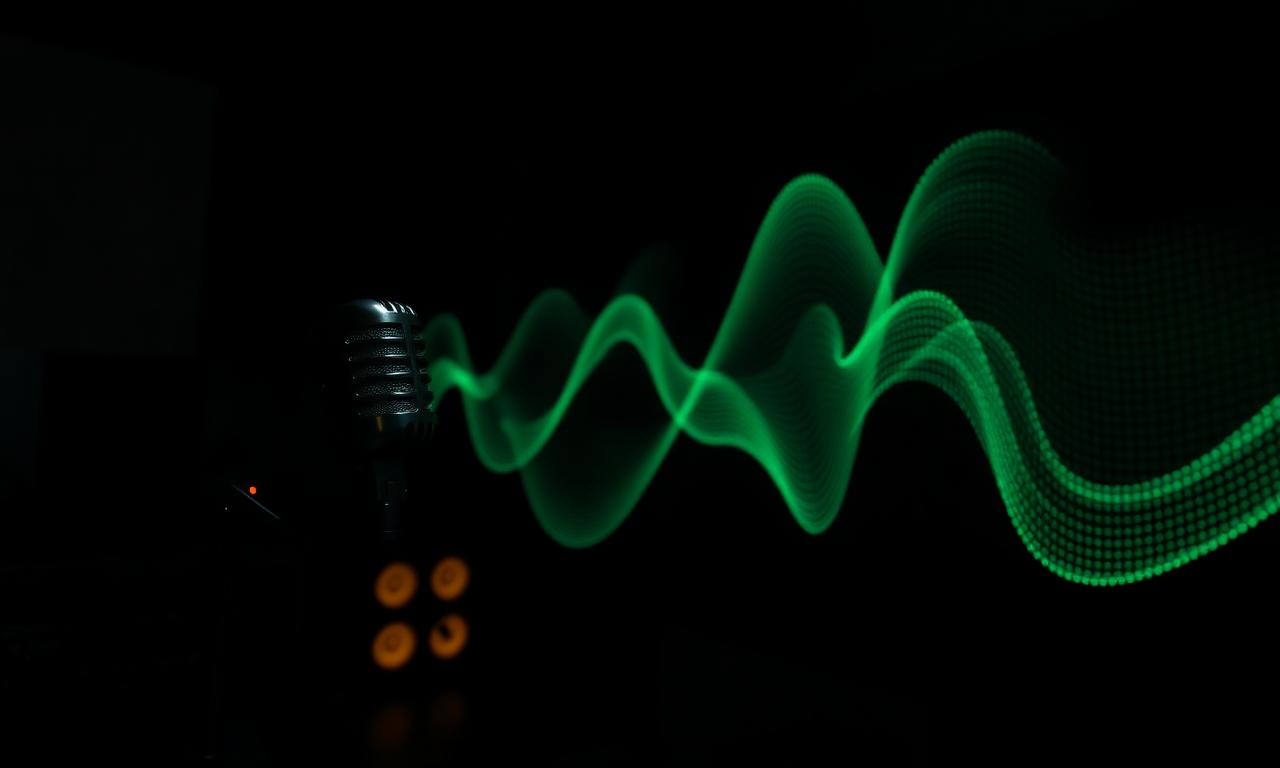
There is a version of this story that's genuinely exciting. For a lot of people who love music but never had the means to make it professionally, AI has completely changed what's possible. You no longer need a recording studio, a producer, or years of formal training to turn an idea into something that sounds polished and real.
Artists are also using these tools thoughtfully, as a kind of co-writer or idea generator. Some producers describe working with AI the way a painter might describe using a new kind of brush, something that expands what they can do rather than replacing what they bring to it.
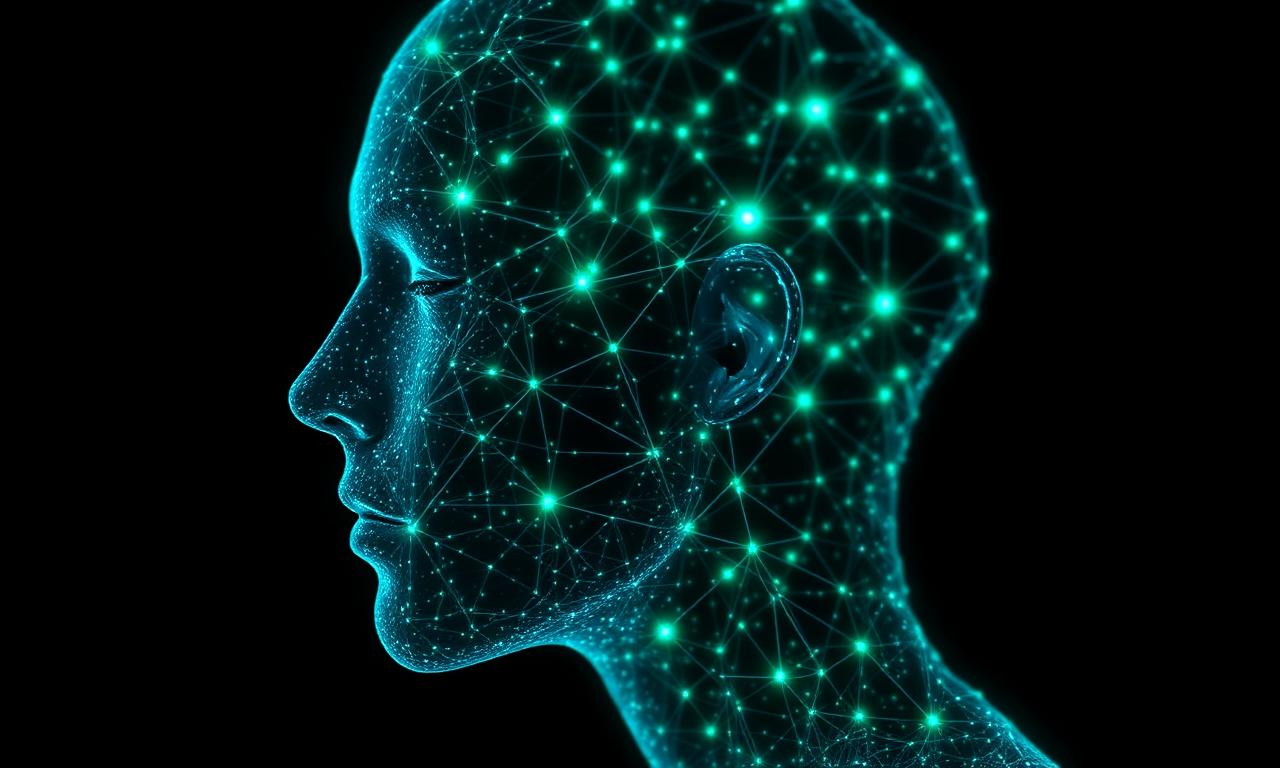
But then there's the other side. Artists have woken up to find versions of their voice being used in songs they never approved. Some of these clones are uploaded to streaming platforms and collect royalties that go to the person who built the clone, not the artist whose voice is being used.
Copyright law has always been about protecting the expression of an idea. But voice isn't just an expression. It's identity. When an AI can copy your voice so accurately that even your closest collaborators can't tell the difference, the question of ownership becomes almost philosophical.
What makes this strange is that we haven't even figured out how to feel about it as listeners. Does the emotional experience of music depend on knowing who made it? For most people, the answer is yes, even if they can't fully articulate why.
Music has always absorbed new technology and come out the other side still capable of moving people. AI will probably be the same. But the artists who navigate it best will be the ones who understand what technology can replicate and what it still can't touch, the specific human story behind why a song gets made at all.
Topics in this article
You might also like
View all
Runaway AI as a Cybersecurity Problem
The biggest runaway risk may be an AI system compromised by someone else.
We Need a 'Human Verified' Label
Once machines can make anything, knowing a human made it starts to matter.
Winners in AI Are the Ones With the Best Data
The competitive moat in AI is not the model. It is what the model was trained on.