Are We Outsourcing Too Much to AI?
AI is becoming the invisible layer between the thought we have and the action we take.
 Sahir Maharaj10 min read
I caught myself doing something the other day that felt small at first, but then stayed with me. I had to reply to an email that was not difficult, not emotional, not even that important. Still, instead of typing what I actually thought, I opened an AI tool and asked it to help me write the reply. The reply was fine. Polished, even. But the longer I sat with what I had just done, the more it felt like a tiny but real shift in how I now think.
That moment made me realise something that has been quietly true for a while now. AI is no longer just a tool we open when the work feels too big to start. It is becoming part of normal life. AI is becoming the layer between the thought we have and the action we take. We think something, ask AI to shape it, and then send the shaped version into the world.
And honestly, I get why this is happening. Most of us are tired. Work is full of tiny decisions that stack up quickly. AI steps into that mess and makes things feel lighter. That is genuinely useful, and I do not think we should pretend otherwise.

There is a real upside here. AI can lower the effort required to start thinking. That might sound strange, but starting is often the hardest part of any task. A rough draft gives you something to push against. A suggested plan gives you something to question. A summary gives you enough context to enter a conversation without spending three hours catching up. For people who struggle with writing, confidence, language, or information overload, this is not just convenience. It can feel like access.
I like that side of AI because it feels practical and very human. It does not have to be some mystical intelligence to be useful. Sometimes it is just a patient assistant that lets you think out loud. It does not get annoyed when you ask the same thing five different ways. It does not judge your messy first attempt. It can sit with you while you shape an idea into something clearer. Used well, that can make people more capable, not less.
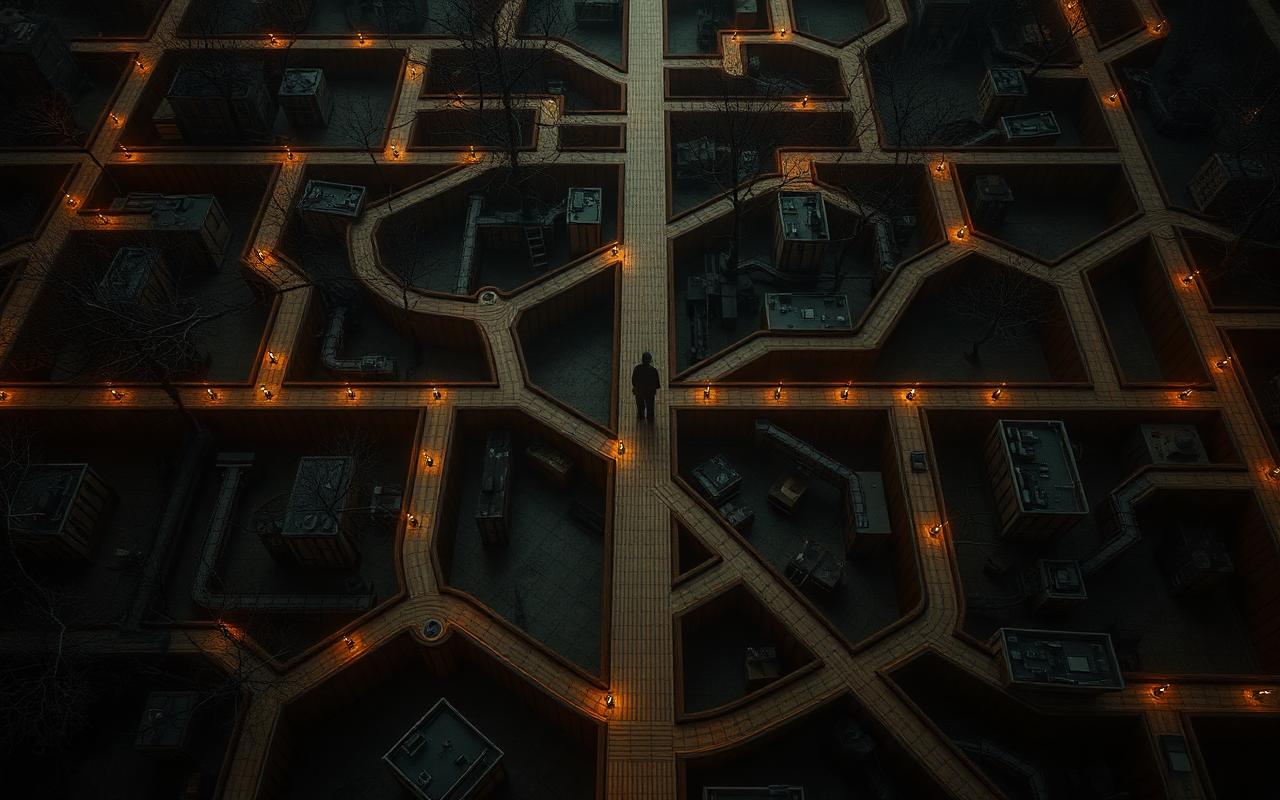
But this is also where the story gets uncomfortable. AI does not only help us express decisions. It can quietly shape the decisions themselves. The way it frames a problem can change what we notice. The examples it gives can make one answer feel more obvious than another. The confidence in its tone can make a suggestion feel more trustworthy than it deserves to be. And because the output usually looks polished, it becomes easy to mistake polish for wisdom.
That is the part I think more of us need to sit with. A clean answer can hide a weak idea. A confident recommendation can still be shallow. A beautifully written response can carry assumptions you never agreed to. If you are moving quickly, which most people are, you might not catch those assumptions. You might just copy, paste, adjust a few words, and move on. The decision still feels like yours, but the shape of it came from somewhere else.
The risk is more ordinary than science fiction makes it sound. The risk is that we slowly become less willing to sit in the uncomfortable middle part of thinking. That awkward space where the answer is not obvious yet. Where you have to compare trade-offs, admit uncertainty, and maybe be wrong for a while. AI can help with that space, but it can also help us avoid it completely.
For me, the healthiest relationship with AI is one where the human still stays awake. Ask it for the draft, but read the draft like someone who still has agency. Ask it for the recommendation, but check what it ignored. Ask it for the summary, but remember that a summary is never the full thing. AI is strongest when it gives us something to think with, not something to hide behind.
Maybe that is the line worth protecting. Not a dramatic line between humans and machines, but a simple everyday one. Use AI to reduce noise, not responsibility. Use it to make work lighter, not thoughtless. Use it to open more doors, not to walk through them without looking. Because the future of AI will not only be decided by what these systems can do. It will also be decided by how much of ourselves we keep in the loop when they do it.
The real danger is not that AI will suddenly make every decision for us. The quieter danger is that we may start inviting it to do that, one tiny convenience at a time. A better version of this future is still possible. But it probably starts with something very simple: before we accept the answer, we take a breath and ask whether we still agree with it.
Topics in this article
You might also like
View all
The Hardest AI Safety Feature Is Saying No
Useful AI completes tasks. Safe AI also needs to know when to refuse.

AI Is Teaching Us to Accept
Search made us compare sources. AI makes it easy to accept one smooth answer.

The Cognitive Economy of Effort
AI saves mental effort, but some of that effort is how independent judgment grows.