Can AI Save the Planet It's Helping to Destroy?
The uncomfortable, two-sided story of AI and climate change.
 Sahir Maharaj8 min read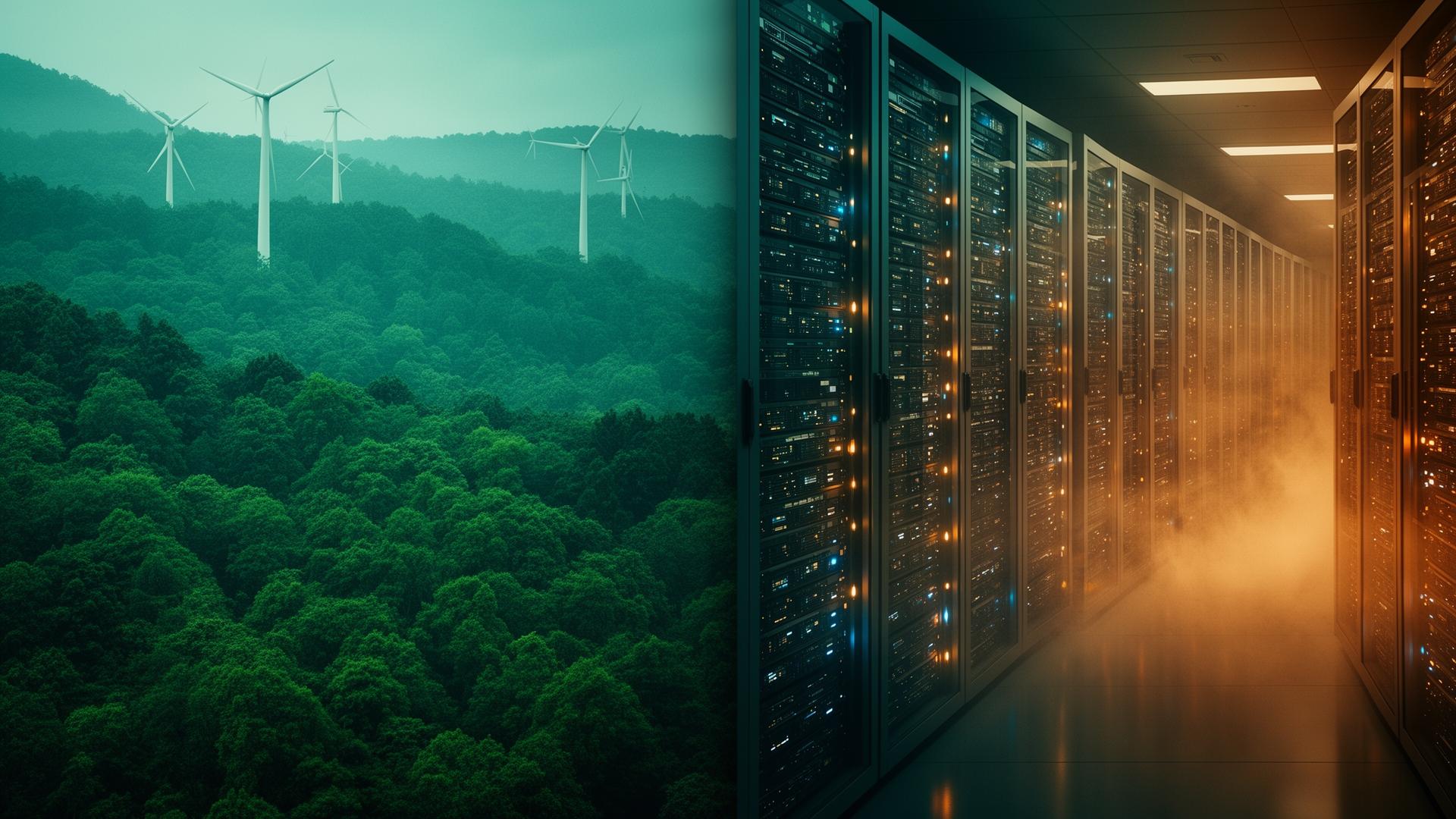
Here's something I keep thinking about. We're in the middle of a climate crisis, and a lot of smart people are saying AI is one of our best tools to fight it. That sounds great, right? Except for the part where training a single large language model can produce as much carbon as five cars over their entire lifetimes. So we're fighting fire with fire, except the fire we're using to fight it is also, kind of, on fire. It's one of those situations where the more you look at it, the more complicated it gets.
This isn't me saying AI is bad for the planet. I genuinely believe it has a real role to play in how we deal with climate change. But I also think we need to be honest about both sides of this, because right now the conversation tends to be pretty one-sided. Either AI is going to save us all, or it's a reckless energy hog. The truth, as always, lives somewhere in the messy middle.
That messy middle is actually really interesting. Because it tells us something important about how we use powerful tools. When a hammer is invented, you can build a house or you can break something. AI is that hammer, but with a lot more horsepower and a much bigger carbon shadow behind it. Sitting with that discomfort, rather than looking away from it, is probably the most honest place to start.

Let's talk about the good stuff first, because it's genuinely impressive. AI-powered climate models are now more accurate than anything we've had before. Researchers are using machine learning to predict extreme weather events days further in advance than traditional models could. That matters in real life. It means flood warnings reach people sooner. It means emergency services can position resources before the storm hits. It means farmers can make better decisions about their crops when the stakes are highest.
Beyond prediction, AI is transforming how we manage energy. Smart grids powered by AI can balance supply and demand in real time, routing renewable energy more efficiently and reducing waste. In places where solar and wind power are available, AI can optimize when and how that energy flows through the grid. That's the difference between a renewable energy system that works reliably and one that struggles to keep the lights on when the sun isn't shining or the wind isn't blowing.
There's also the monitoring side of things. AI systems are now scanning satellite imagery to track deforestation in the Amazon, detect illegal mining operations in protected areas, and measure methane emissions from oil and gas facilities. These are things humans simply can't do at that scale and speed. A team of analysts reviewing satellite footage manually would take weeks to cover what an AI system can flag in hours. That speed is what makes it so valuable in a crisis that doesn't have time to wait around.
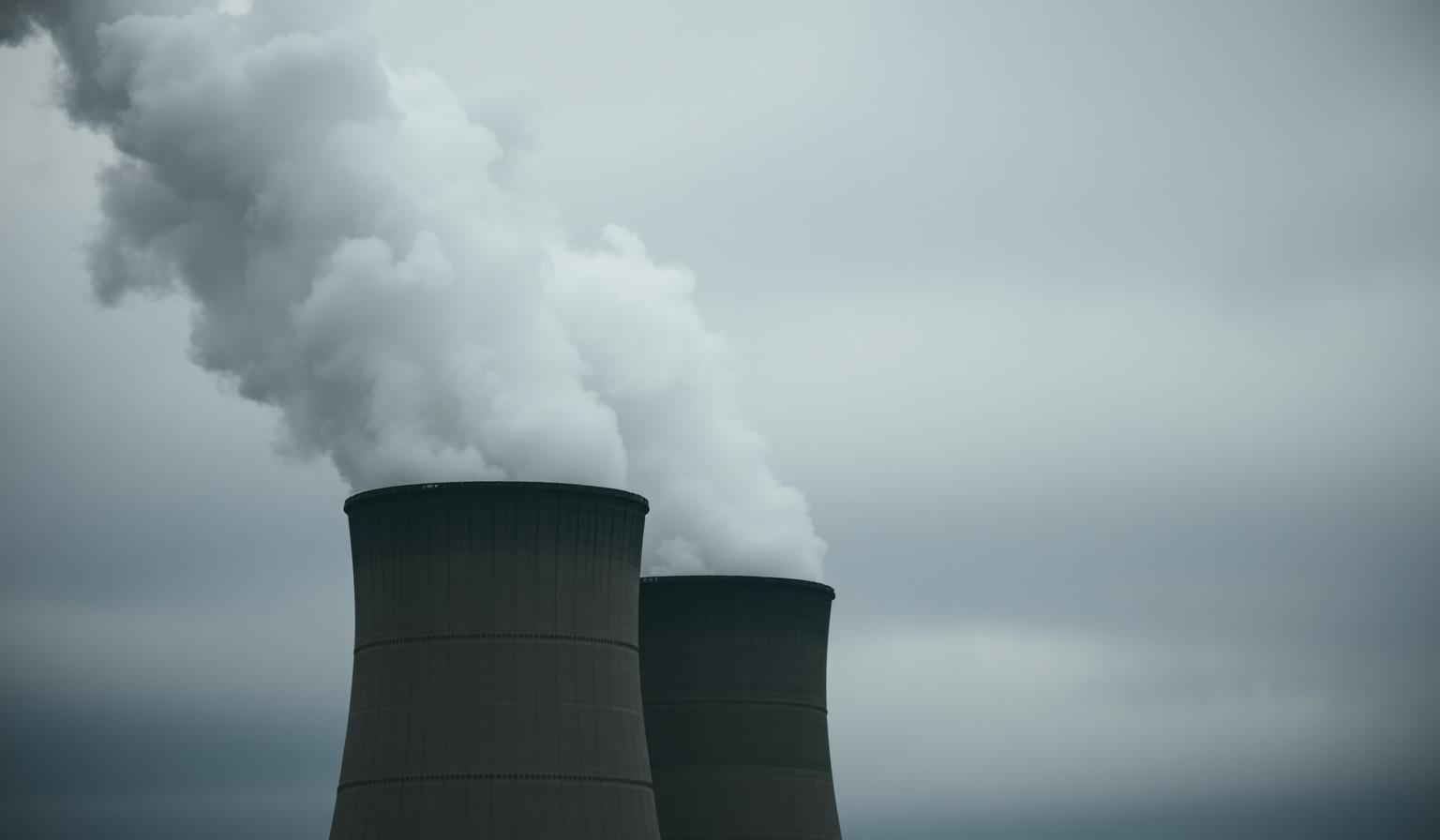
But here's where the uncomfortable part comes in. The same technology doing all of that good work is also consuming enormous amounts of energy. The data centers that power AI run 24 hours a day, seven days a week, and they need huge amounts of electricity and water to stay cool. The biggest tech companies in the world are now building new power infrastructure just to keep up with the demand AI creates. Some of them have even revisited nuclear energy as a potential source. That's not a small footprint.
Training a large AI model from scratch can release hundreds of tonnes of carbon dioxide, depending on where the electricity comes from. And most of that electricity still comes from fossil fuels, even with the push toward renewables. So there's this uncomfortable irony baked into the whole conversation. The tools we're building to predict and fight climate change are, themselves, adding to the problem. It doesn't cancel everything out, but it absolutely complicates the picture in ways that deserve a real, honest conversation.
There's also the question of who benefits. The countries with the most advanced AI capabilities tend to be the wealthiest ones. And the countries most affected by climate change are often the ones with the least access to this technology. That gap matters more than most people talk about. When we say AI is a climate solution, we need to ask: a solution for whom? Who gets to use these tools, and who just gets the consequences of living on a warming planet while the benefits stay elsewhere?
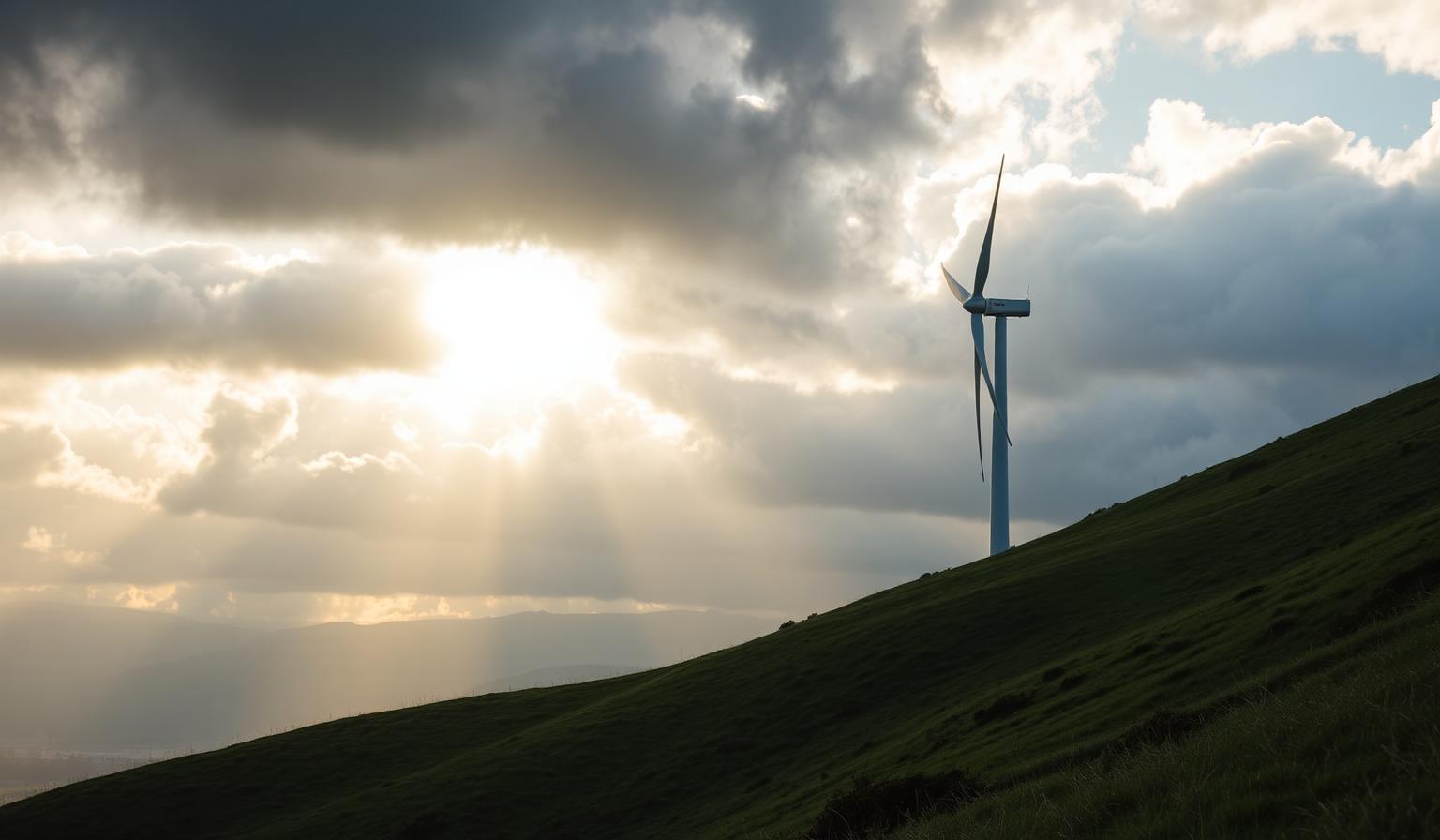
What I keep coming back to is this: the technology isn't the problem or the solution on its own. It's a reflection of the decisions we make around it. AI can be used to optimize flight routes and reduce fuel consumption, or it can make it easier to book more flights than ever before. It can monitor methane leaks from pipelines, or it can help oil companies find new drilling sites more efficiently. The tool is neutral. The intention behind it is where things get real, and where accountability actually lives.
That's what makes this conversation so worth having. Because it's not a question of whether AI should be involved in climate solutions. It already is, and it's going to get more involved whether we decide that together or not. The real question is whether we're building AI systems with their environmental cost in mind from the start, or treating energy efficiency as an afterthought once the model is already deployed and the bill has already been sent to the atmosphere.
I don't think we should be naive about this. We shouldn't let tech companies off the hook for massive emissions just because they've also funded a few satellite monitoring projects. But I also don't think we should dismiss the genuine, meaningful work being done. What I do think is that this is one of those moments where how we ask the question matters as much as the answer we land on. Can AI save the planet it's helping to destroy? Maybe. But only if we're honest enough to hold both halves of that sentence at the same time.
Topics in this article
You might also like
View all
When AI Watches Over Animals Instead of People
Camera traps, acoustic sensors, and a quieter revolution in conservation.

Quenching the World's Thirst with AI
How AI and nanotech are quietly rewriting what's possible in water.
The Hidden Cost of Asking AI Anything
Every prompt has a power bill. The carbon and water cost behind every AI answer.