Can AI Hold Space for You?
What AI mental health tools actually do - and where they quietly fall short.
 Sahir Maharaj9 min read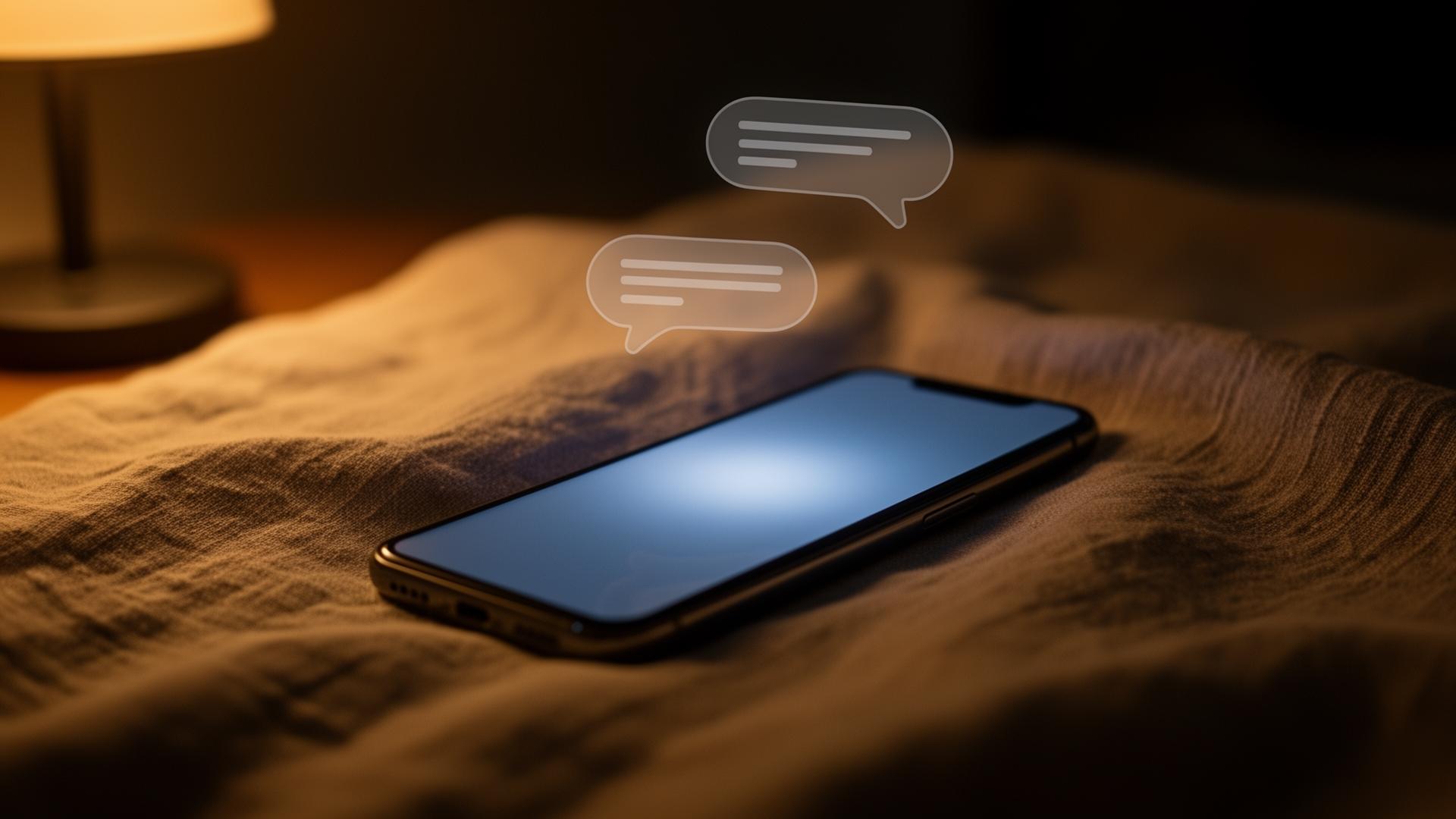
I remember the first time a friend told me she had been venting to an app. Not a therapist, not a helpline. Just an app. My immediate reaction was something between surprise and sadness. But then she said something I have been thinking about ever since: "It is always there. And it never judges me." And I did not have a great response to that, honestly. Because she had a point.
We are at this strange cultural moment where AI mental health tools are quietly becoming part of how people cope. Apps like Woebot, Wysa, and a growing list of others are showing up in people's most vulnerable moments. The conversations happening inside those apps are real. The relief people feel afterward is real. But so are the questions worth asking. And I think we would be doing ourselves a disservice if we only told one side of the story.
The appeal is not hard to understand. Mental health care is, for a lot of people, genuinely out of reach. Therapy is expensive. Wait lists stretch for months. And for many, the idea of sitting across from another human being and admitting they are struggling feels impossible. The stigma has not gone away, no matter how many awareness campaigns get launched. So when something shows up in your pocket that listens without flinching, any time of day or night, you can see why people reach for it.

This is where AI mental health tools genuinely shine, and I do not think we give them enough credit. These systems can walk someone through a breathing exercise when anxiety spikes. They use cognitive behavioral therapy techniques to gently challenge negative thought patterns. They track mood over time, ask follow-up questions, and remember what you shared two weeks ago. For someone just starting to acknowledge that they are not okay, having a low-pressure space to explore that is often the first step. Not a replacement for care, but a door that was previously closed.
There is also the consistency factor, and this one does not get talked about enough. A good therapist is invaluable, but therapists have bad days too. They run late, they get distracted, they are human in all the ways that are sometimes inconvenient. An AI shows up the same way every single time. That reliability can feel grounding, especially for people who grew up in unpredictable environments. There is something oddly comforting about a presence that is always exactly as available as it says it will be.
And the reach is the part that really gets me. Think about someone in a rural area with no mental health services for a hundred miles. Or a teenager who cannot afford therapy and would never tell their parents they are struggling. Or someone working multiple jobs who cannot make it to an appointment during business hours. For these people, an AI tool is not a compromise. It might be the only option that actually works with their life. Access to some support, even imperfect support, is genuinely better than no support at all.

But here is where I start to feel uneasy, and I think it is worth sitting with this discomfort instead of rushing past it. Real therapy is not just about techniques. It is about being witnessed by another human being. It is those moments where your therapist says "I hear how hard that was," and you believe them because you can see it on their face, in the way they lean forward. An AI can generate those words. It cannot mean them. In mild cases, maybe that gap does not matter so much. In serious ones, I think it matters enormously.
There is also the question of crisis, which is the one that keeps me up at night when I think about all of this. What happens when someone using a mental health app is genuinely in danger? The better tools have protocols for this, flagging high-risk language and directing users toward emergency resources. But protocols are not the same as human judgment. A skilled therapist reads body language, tone, the long pauses, the things left unsaid. An AI works with text or voice data, and even the most sophisticated models can miss the subtle difference between "I am struggling" and "I am not safe."
Privacy is another layer that deserves more honest conversation than it usually gets. When you open up to a therapist, there are legal and ethical protections around that information. When you pour your heart into an app, the terms of service tell the real story of where your data goes. Mental health data is some of the most sensitive information a person can share. Who owns it? How long is it stored? Could it ever show up in ways that affect your insurance or your career? These are not paranoid questions. They are practical ones, and the answers are not reassuring yet.

None of this means AI mental health tools are a bad idea. I genuinely do not believe that. What they represent is an expansion of who gets access to support, and that matters more than almost anything. The mental health system as it exists today was not built to reach everyone. There are enormous gaps, and AI is stepping into some of them in ways that are helping real people manage real pain. That deserves to be named clearly and without embarrassment.
But we need to be honest about what these tools are and what they are not. They are a bridge. A supplement. A place to put your thoughts when the humans in your life are not available or when you are not quite ready to show anyone yet. They are not a substitute for the kind of relationship that real healing often requires. The best version of this future is one where AI makes it easier to take that first step and helps more people eventually find their way to deeper support, whether that means a human therapist, a community, or something we have not built yet.
The technology is moving faster than the frameworks around it. That is almost always how it goes with AI. The question we should be asking is not whether AI therapy is good or bad. It is how we build it responsibly so it actually serves the people who need it most. Answering that well is going to require therapists, technologists, ethicists, and regular people all in the same room talking honestly, with the same openness and care we are asking these apps to provide.
Topics in this article
You might also like
View all
AI in Medical Diagnosis Is Getting Eerily Good
What it means when an algorithm spots what the doctor missed.
Can AI Really Understand How You Feel?
AI mental health apps are quietly everywhere. Is that a breakthrough, or a problem?

The Hidden Cost of Asking AI Anything
Every prompt has a power bill. The carbon and water cost behind every AI answer.