The AI That Watches You Sleep
Sleep scores, biometric reports, and what happens when rest becomes another performance review.
 Sahir Maharaj9 min read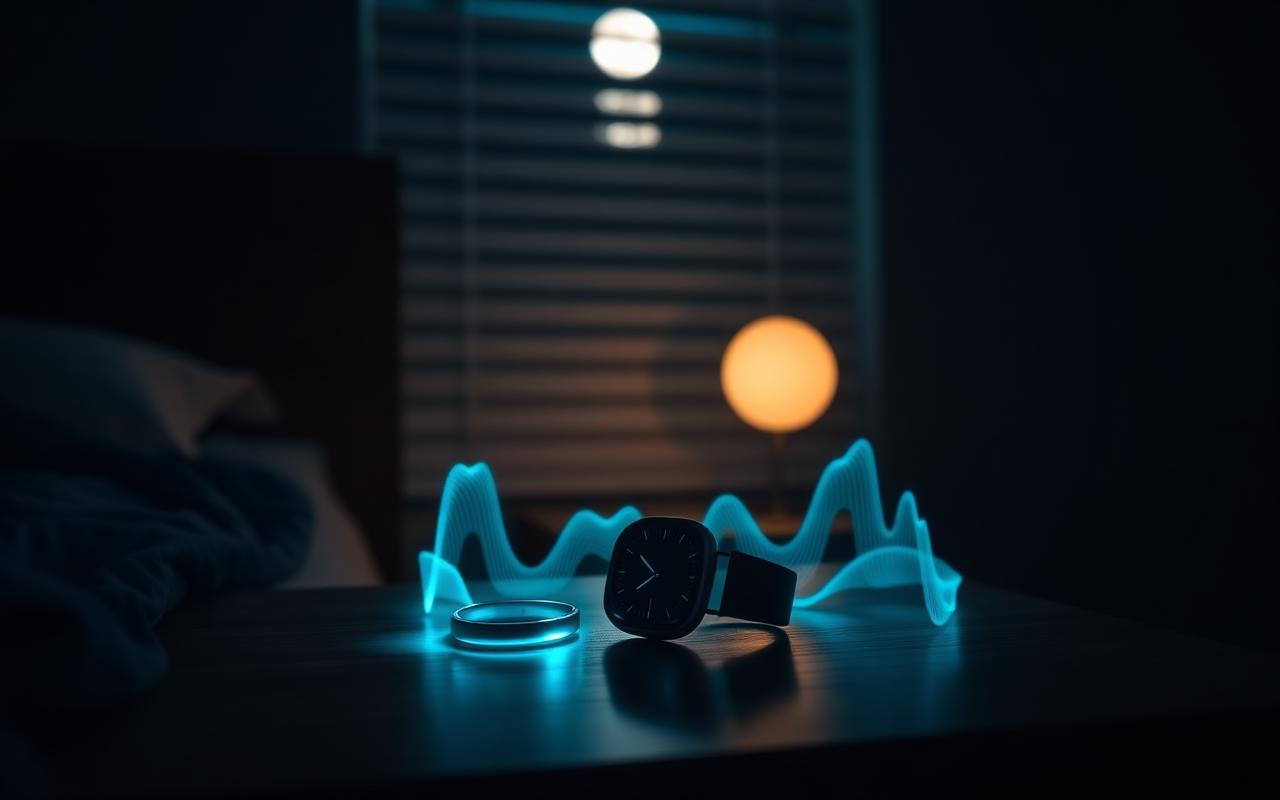
I did not sleep great last night. Or at least, that is what my app told me. Eight hours in bed, and yet my AI-powered sleep tracker gave me a quality score of 62 out of 100. It flagged an elevated heart rate around 2am, noted two micro-arousals I have absolutely no memory of, and suggested I cut back on coffee after midday. I lay there reading this little report on my phone, squinting in the dark, and thought: is this thing actually helping me rest, or is it quietly giving me a reason to feel worse about something I used to just call a normal night?
There is a whole industry now built on watching you sleep. Rings, watches, smart mattresses, headbands with EEG sensors. Some of these devices collect hundreds of data points every single night and feed them into AI models that promise to decode your sleep patterns, personalise your ideal wake-up window, and tell you exactly why you felt groggy on a Tuesday morning. The pitch is compelling. Sleep affects everything: your mood, your metabolism, your memory, your immune system, your long-term health. If AI can help you understand it better, that sounds like a genuinely useful thing.
For years, the only way to get a detailed read on your sleep was to spend a night in a clinical sleep lab, wired up with electrodes and sensors while a technician monitored everything from behind glass. That was expensive, uncomfortable, and inaccessible to most people. Now you can get a similar level of data from a ring on your finger that costs less than a weekend away. That democratisation of health data is real, and for people managing chronic conditions like sleep apnea or insomnia, it has genuinely changed what is possible.
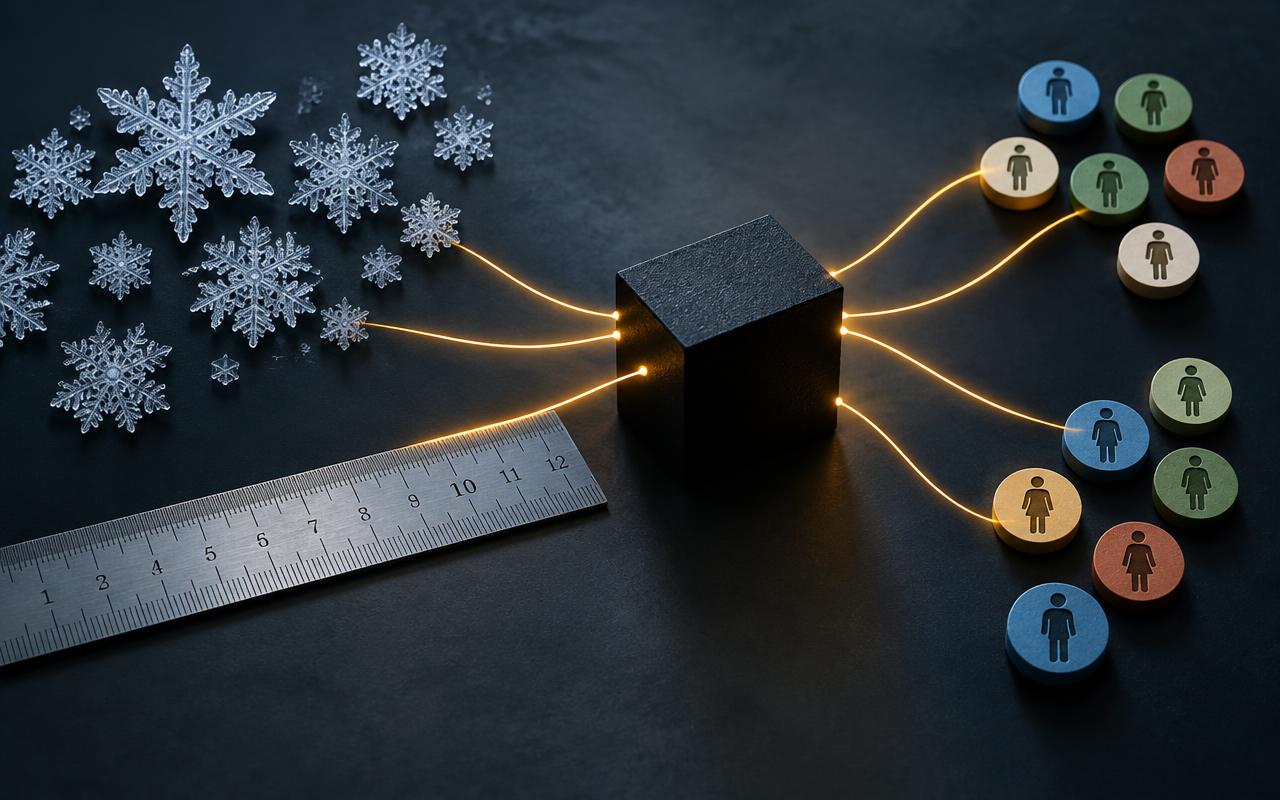
But consumer sleep trackers are not the same as clinical polysomnography, and the gap between them matters more than most marketing materials admit. The majority of these devices estimate sleep stages using heart rate and movement data, not actual brain activity. That means they can confuse deep stillness with deep sleep, misclassify REM, and produce confidence scores that feel precise but are based on indirect proxies. They are improving, and some are genuinely impressive, but calling a 62 out of 100 an objective truth about your night is a stretch that deserves scrutiny.
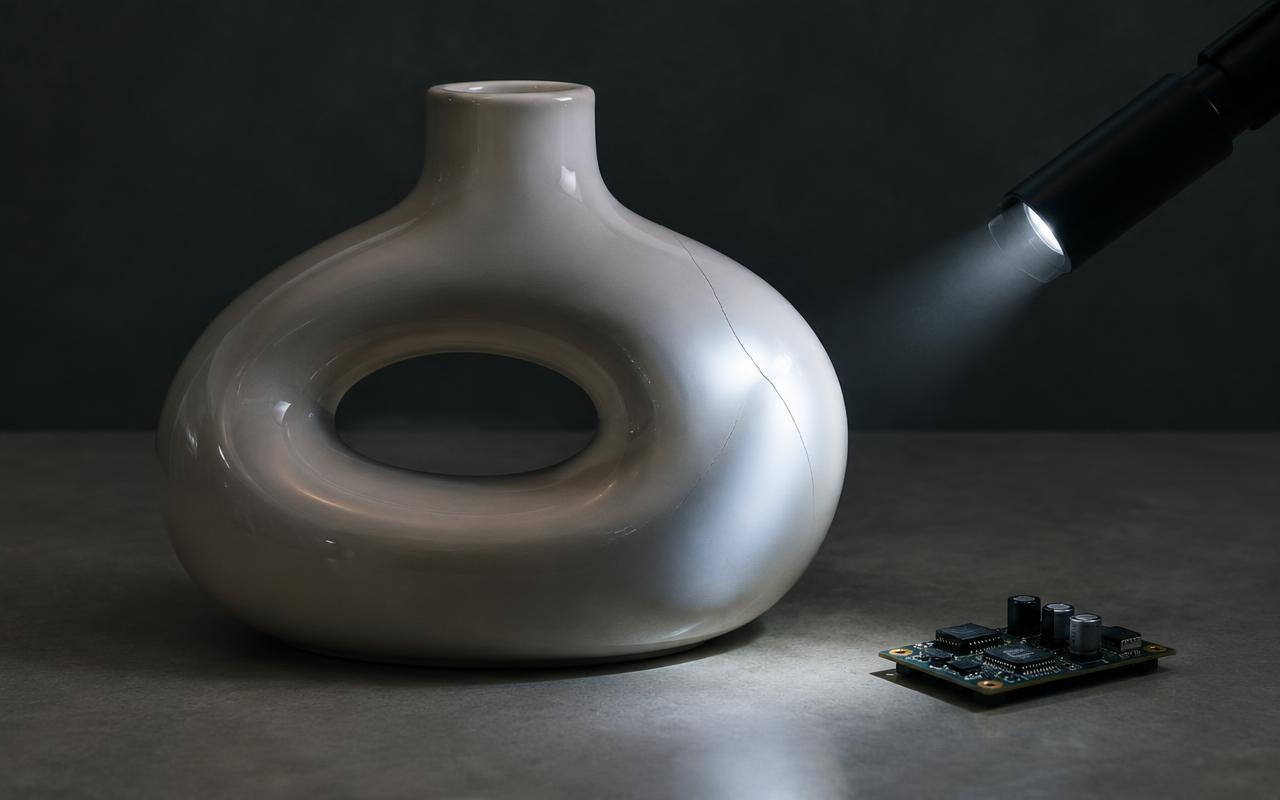
What bothers me more is what happens when we start trusting the score over how we actually feel. There is a term for this already: orthosomnia. It describes the anxiety that builds up around achieving a perfect sleep score, an anxiety that ends up disrupting the very sleep you are trying to protect. You lie awake telling yourself you need to be in deep sleep right now or your score will suffer. You start performing rest rather than experiencing it. The moment you hand your nervous system over to an algorithm to evaluate, rest becomes just another metric to hit.
There is also the data question, and it is a serious one. When you wear a sleep tracker, you are handing over some of the most intimate information imaginable: your heart rate through the night, your breathing patterns, your movement during REM, your resting baseline over months and years. That data lives on servers somewhere. Platforms have privacy policies, but those policies change, companies get acquired, and databases get breached. Sleep data is sensitive because it can reveal cardiovascular risk, early signs of neurological conditions, patterns of mental health, and more.
That said, I do not want to dismiss what this technology is doing for the people it genuinely helps. For someone managing a sleep disorder, AI-powered monitoring can be transformative. People with diagnosed sleep apnea can use consumer devices to track whether their treatment is working night to night, share trend data with their doctors, and catch changes before they become serious problems. Before these tools existed, they would have needed multiple clinic visits to get the same picture. Now they have it in their pocket every morning. That is not trivial.
But the question I keep returning to is this: are we using the technology, or is the technology using us? Sleep used to be one of the last corners of daily life that optimisation culture had not colonised. You went to bed, you slept, you woke up. Now there is a score, a breakdown, a set of recommendations, a gentle nudge toward a premium tier. At some point, rest stops being restful when it becomes another performance review.
Some nights, the most useful thing the AI could tell you is to put the phone down, stop reading the report, and close your eyes. The data will still be there in the morning. And the version of you that just slept without worrying about it might score a little higher too.
Topics in this article
You might also like
View all
The Hidden Cost of Asking AI Anything
Every prompt has a power bill. The carbon and water cost behind every AI answer.
AI That Kills: Who Gave Them Permission?
Lethal autonomous weapons are no longer science fiction. The accountability gap is terrifying.
Are We Outsourcing Too Much to AI?
AI is becoming the invisible layer between the thought we have and the action we take.