The Performance Review Is Dead
Continuous monitoring replaced the annual ritual. That is not obviously progress.
 Sahir Maharaj10 min read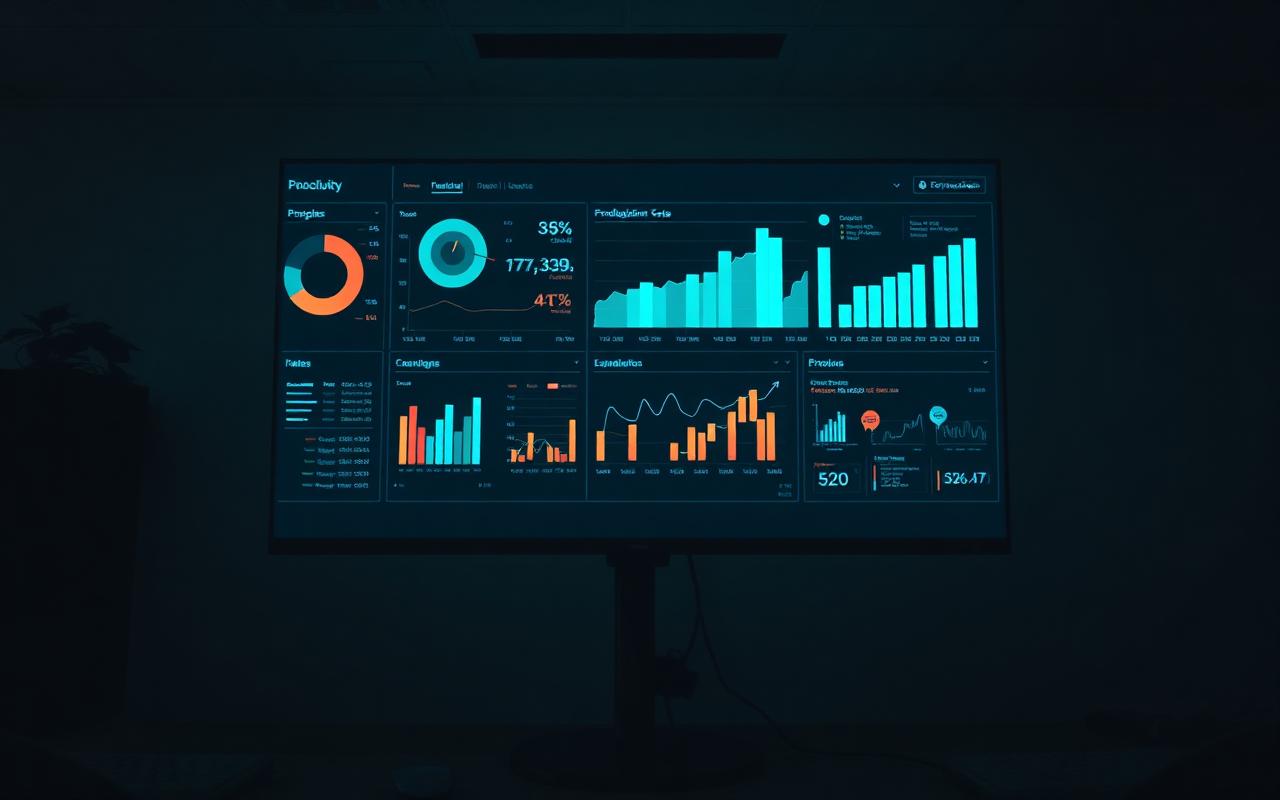
The annual performance review was always a somewhat artificial ritual. The idea that you could meaningfully assess a year of complex, contextual, relational work through a structured conversation and a handful of rating scales, held once a year and inevitably shaped by the most recent weeks, was never particularly convincing to anyone who thought about it. The problems were well documented: recency bias, halo effects, personal relationships shaping supposedly objective assessments, managers avoiding difficult conversations through inflated ratings, and the fundamental impossibility of reducing the complexity of professional contribution to a number.
What has replaced the annual review in a growing number of organisations is something its proponents argue addresses all of these problems. It is called continuous performance monitoring, and it uses AI to track output, behaviour, and productivity in real time, producing a constantly updated performance model that makes the annual ritual unnecessary because the assessment is always current. The argument for it is not unreasonable. The implications of it are something else.
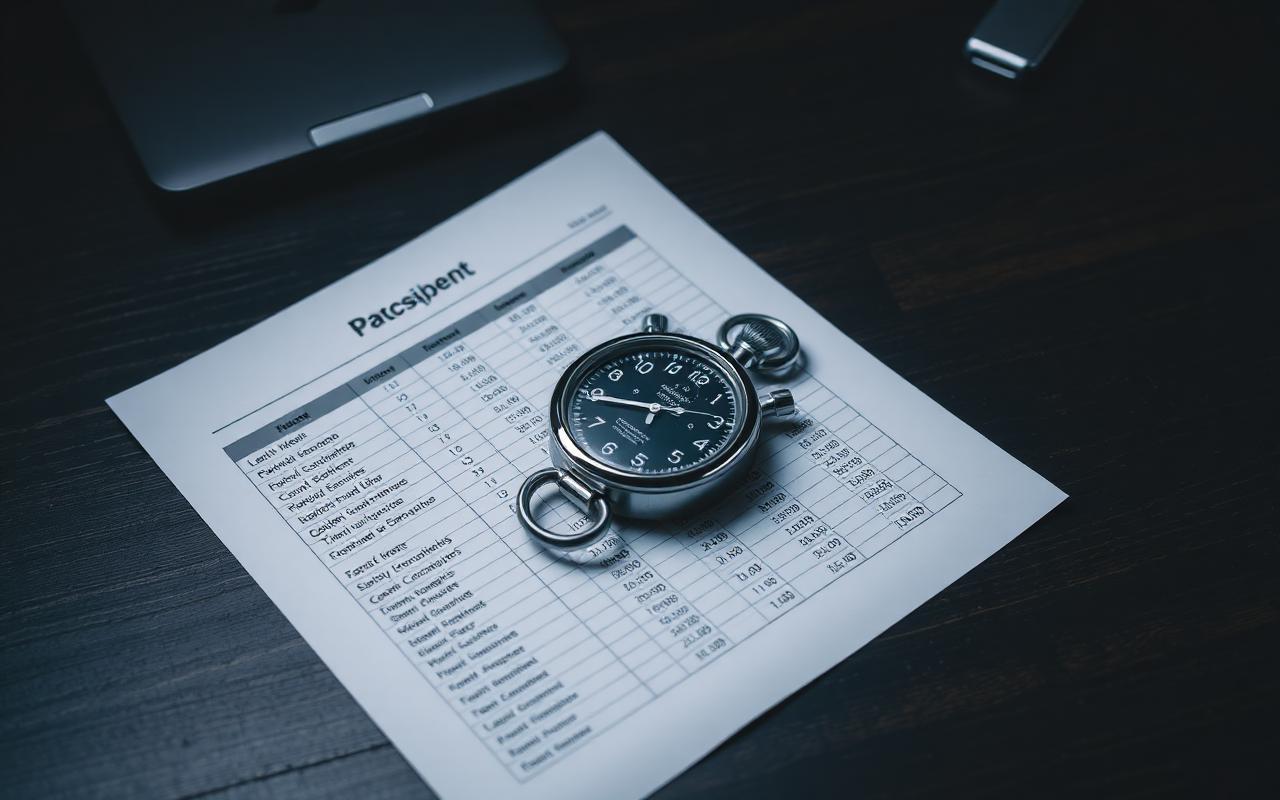
Continuous monitoring takes different forms in different contexts, but the architecture is consistent: sensors, software agents, and analytics track activity continuously, convert it into structured data, and run that data through machine learning models that produce scores, predictions, and recommendations. In knowledge work, this typically means tracking document creation and editing, communication patterns and response times, meeting attendance and participation, and time spent on different categories of task. In customer-facing roles, it means real-time scoring of interactions, sentiment analysis of voice and text, and conversion metric tracking. In logistics and physical work, it means location tracking, task completion rates, error rates, and compliance with standardised procedures.
The fundamental problem with continuous AI performance monitoring is not that it measures things, but that it measures the wrong things and treats those measurements as proxies for what it cannot measure. Performance in knowledge work is predominantly made up of contributions that are not easily reducible to the behavioural signals monitoring systems can track: the quality of a judgment made in an ambiguous situation, the value of a relationship built over years, the insight that reframes a problem in a way that changes what solutions are possible, the mentorship that develops a colleague's capability in ways that will pay dividends for years. None of these leaves the kind of discrete, timestamped, countable trace performance monitoring systems are built to track.

The specification problem in monitoring mirrors the specification problem in AI generally: the system optimises for what it is told to optimise for, and if what it is told to optimise for is not precisely the thing that matters, the optimisation produces more of the measurable proxy at the cost of the underlying value. An employee whose email response time is being tracked will respond to emails faster. An employee whose document editing activity is being tracked will edit more. Whether those changes produce better work depends on whether email response time and document editing activity were the bottlenecks on organisational value. In most knowledge work contexts, they are not.
The gaming of metrics is predictable and corrosive to organisational culture. When employees understand their performance model is built from behavioural signals, they adapt behaviour to optimise those signals rather than their actual contribution. They respond to emails quickly even when a thoughtful delayed response would be more useful. They attend meetings they add no value to because attendance is tracked. They produce documentation for activities whose value lies elsewhere because documentation is measurable. The monitoring that was supposed to provide accurate assessment instead creates incentive structures that distort the behaviour it is trying to measure, producing a record that is less accurate than the imperfect human review it replaced.
The research on the psychological effects of continuous workplace monitoring is consistent in direction: it increases stress, reduces autonomy, and damages intrinsic motivation. The findings are not surprising. Being continuously observed and evaluated is psychologically taxing in ways that are distinct from the periodic pressure of a review. The review creates a specific period of evaluation anxiety followed by relative freedom. Continuous monitoring creates persistent low-level anxiety with no off period, present in every interaction, shaping the experience of work in ways that affect both wellbeing and performance.

The autonomy dimension is particularly significant in knowledge work, where the research is clear that intrinsic motivation, the kind that comes from finding work interesting and meaningful, is both more sustainable than extrinsic motivation and more productive of high-quality output. Continuous monitoring is fundamentally extrinsic. It replaces the internal question of whether this is good work with the external question of whether this will score well. That shift has consequences for the quality of work that go beyond the specific metrics being tracked. Work done for an audience of monitoring systems is different in character from work done with genuine investment in the outcome, and the difference is not always captured in the numbers.
The trust erosion continuous monitoring produces is perhaps its most significant long-term cost. Employment relationships that function well are built on mutual trust. The employee trusts they will be recognised and treated fairly. The employer trusts the employee is genuinely working in the organisation's interest rather than just performing for assessment. Continuous monitoring signals distrust in a way the most intrusive periodic review does not, because it is always on and because it is algorithmic rather than relational. The employee who knows they are constantly being watched by a system that cannot understand context or nuance, that scores signals rather than reading them, is in a fundamentally different relationship with their employer.
The distinction that matters most is between monitoring as a diagnostic tool and monitoring as a management tool. Monitoring used diagnostically, to identify systemic problems in how work is designed or resourced, to surface patterns that suggest process failures rather than individual failures, and to give employees data about their own work patterns that they can use to improve, is a different practice from monitoring used to rank employees, inform compensation, or build a case for disciplinary action. The former uses data in service of the work. The latter uses data in service of control. Same technical infrastructure, entirely different implications for the employment relationship. The fundamental question organisations deploying continuous performance monitoring should have to answer honestly is: what are you trying to achieve that could not be achieved through better management, clearer goals, and regular human conversation? The performance algorithm is often a solution looking for a problem, and the problem it most reliably creates is the erosion of the trust and autonomy that make good work possible.
Topics in this article
You might also like
View all
The Ghost Writing Your Colleagues' Emails
When AI drafts the message, whose voice are you really reading?
The AI That May Never Break a Rule
AI can obey every narrow rule and still create harm at a much larger scale.

Whose Values, Exactly?
AI alignment is not just technical. It is a question of whose values count.