AI in Medical Diagnosis Is Getting Eerily Good
What it means when an algorithm spots what the doctor missed.
 Sahir Maharaj9 min read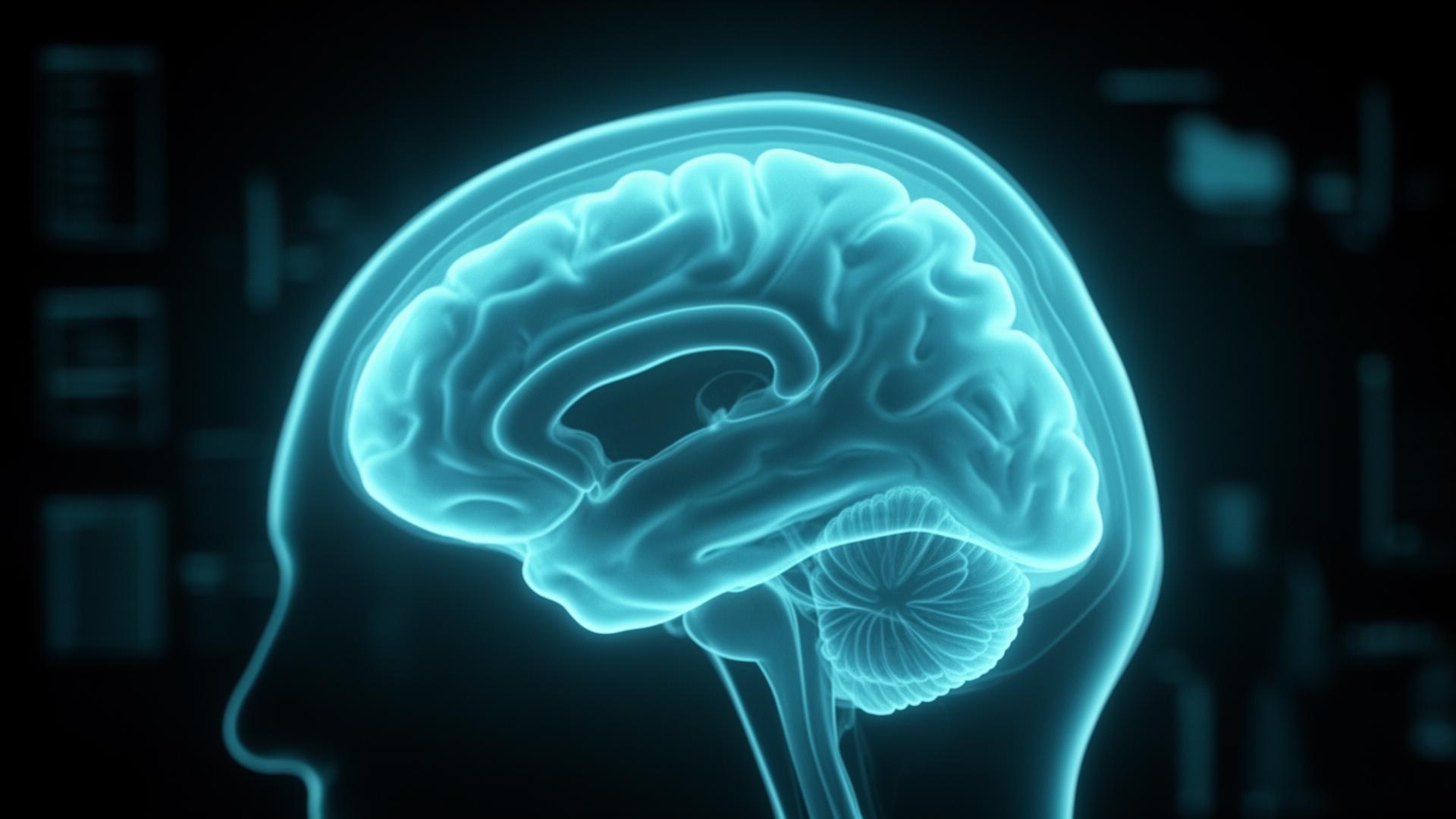
There's a story that keeps circulating in medical circles about a woman who visited her doctor three times over two years with the same nagging set of symptoms. Fatigue, occasional blurriness, a strange fullness in her abdomen. Each time she was told it was stress, or maybe anxiety, or possibly her diet. It took an AI-powered diagnostic tool, used during a routine scan, to flag a small but growing mass that had been sitting there the whole time. By the time it was caught, it was still treatable. Just barely. And I keep thinking about those two years.
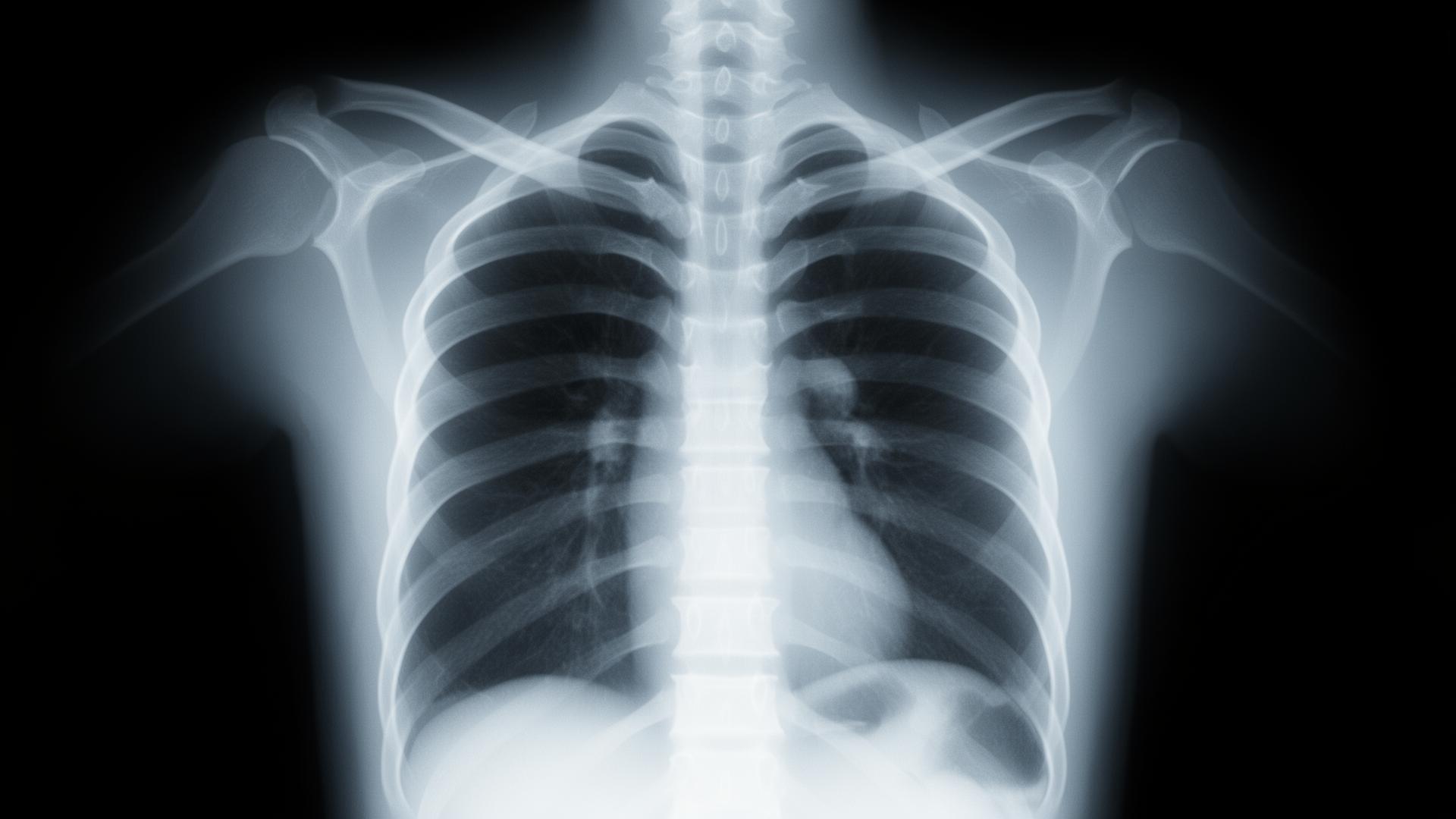
Stories like this are becoming less rare. AI diagnostic tools are quietly making their way into hospitals, clinics, and screening programs around the world. They're analysing X-rays, CT scans, MRIs, and pathology slides with a speed and consistency that no human radiologist, however skilled, can match across an eight-hour shift. A radiologist reviewing their hundredth chest scan of the day is not the same as the one who looked at the first. An AI system is. And in medicine, that consistency can be the difference between catching something early and catching it too late.
What makes this particularly striking is how fast the technology has improved. Systems trained on millions of labeled scans can now detect certain cancers, diabetic retinopathy, and early-stage neurological conditions with accuracy that matches or exceeds specialist-level performance. Some can detect lung nodules smaller than a grain of rice. That's not a marketing claim. That's peer-reviewed, replicated science.
The benefits don't stop at accuracy. There's a speed dimension here that matters just as much. In emergency settings, time is everything. AI tools that can analyse a brain scan in seconds and flag a potential stroke mean that treatment begins faster, sometimes fast enough to prevent permanent damage. In regions where specialist radiologists are scarce, AI can serve as a first-pass screening tool that triages patients and directs the ones who need urgent attention to the right people. For countries still building their healthcare infrastructure, that's not a luxury. It's a potential lifesaver at scale.
There's also the sheer volume of data that AI can work with simultaneously. A modern cancer diagnosis isn't just a scan anymore. It involves genetic markers, imaging results, blood panels, family history, and lifestyle data. No human mind can hold all of that at once and weigh every combination against millions of similar patient profiles. But AI can. That kind of holistic pattern matching is where some of the most exciting research is happening right now. AI systems are discovering correlations between seemingly unrelated data points that are leading to genuinely new clinical insights.
And there's an equity angle worth thinking about. One of the quiet injustices of healthcare is that the quality of your diagnosis often depends on where you live and what you can afford. AI won't fix that inequality entirely. But a well-trained, well-deployed diagnostic tool can give a patient in a remote community access to the same analytical power that would otherwise require an expensive referral and months of waiting. That might actually be one of the most quietly important aspects of this technology.

But here's where I have to slow down, because the picture isn't all clean and encouraging. AI diagnostic systems are only as good as the data they're trained on. And medicine, for all its scientific rigor, has historically had deep biases in its datasets. Studies have shown that AI tools trained predominantly on data from one demographic perform worse when applied to others. If the training set skews toward certain skin tones, certain age groups, certain geographic populations, then the tool will carry those blind spots into clinical practice. And patients will bear the consequences without even knowing it.
There's also a serious conversation to be had about accountability. When a doctor makes a mistake, there is a framework, however imperfect, for understanding what went wrong and who carries responsibility. When an AI system misses a diagnosis or flags a false positive that leads to an unnecessary and harmful procedure, the accountability chain gets murky fast. Who is responsible? The hospital that deployed the tool? The company that built it? The physician who trusted it? These aren't hypothetical questions. They're live legal and ethical debates that regulators and medical institutions are still working through without a clear answer.
And then there's something harder to quantify but still real: the human element of medicine. A good doctor doesn't just read your scan. They read you. They notice that you seem frightened, or that something in your story doesn't quite add up, or that you've been minimising a symptom because you're scared of what it might mean. That kind of contextual, emotional attunement is genuinely hard to replicate algorithmically.

The best version of this future isn't one where AI replaces doctors. It's one where AI handles the parts of medicine that benefit most from tireless consistency and pattern recognition, and doctors handle the parts that require judgment, communication, and genuine human connection. A radiologist paired with a well-calibrated AI tool isn't a weaker radiologist. They're a stronger one. They're catching more, missing less, and freeing up their own attention for the cases that genuinely need a nuanced eye.
What concerns me is the gap between that ideal and the reality of how these tools often get deployed. In an underfunded healthcare system under pressure to do more with less, there's a real temptation to treat AI as a cost-cutting mechanism rather than a quality-enhancing one. To reduce specialist headcount because the algorithm is cheaper. To rush a tool into deployment before it's properly validated for the specific population it'll serve. The technology itself is impressive. What we choose to do with it is a separate question entirely, one that has more to do with policy, ethics, and institutional will than with the underlying machine learning.
I don't think there's a version of this story where AI stays out of medicine. The capability is too real, the need is too great, and the early evidence is too compelling. What there is room for is how we bring it in. Carefully, transparently, with ongoing clinical validation and honest conversations about what these systems can and can't do. With diverse training data and genuine oversight. And with a firm commitment that the goal of all this is better outcomes for patients, not better margins for whoever built the platform. Because the moment we forget who this technology is actually supposed to serve, we've already made the most important mistake.
Topics in this article
You might also like
View all
Can AI Hold Space for You?
What AI mental health tools actually do - and where they quietly fall short.
Can AI Really Understand How You Feel?
AI mental health apps are quietly everywhere. Is that a breakthrough, or a problem?

The Hidden Cost of Asking AI Anything
Every prompt has a power bill. The carbon and water cost behind every AI answer.