The Hidden Cost of Asking AI Anything
Every prompt has a power bill. The carbon and water cost behind every AI answer.
 Sahir Maharaj9 min read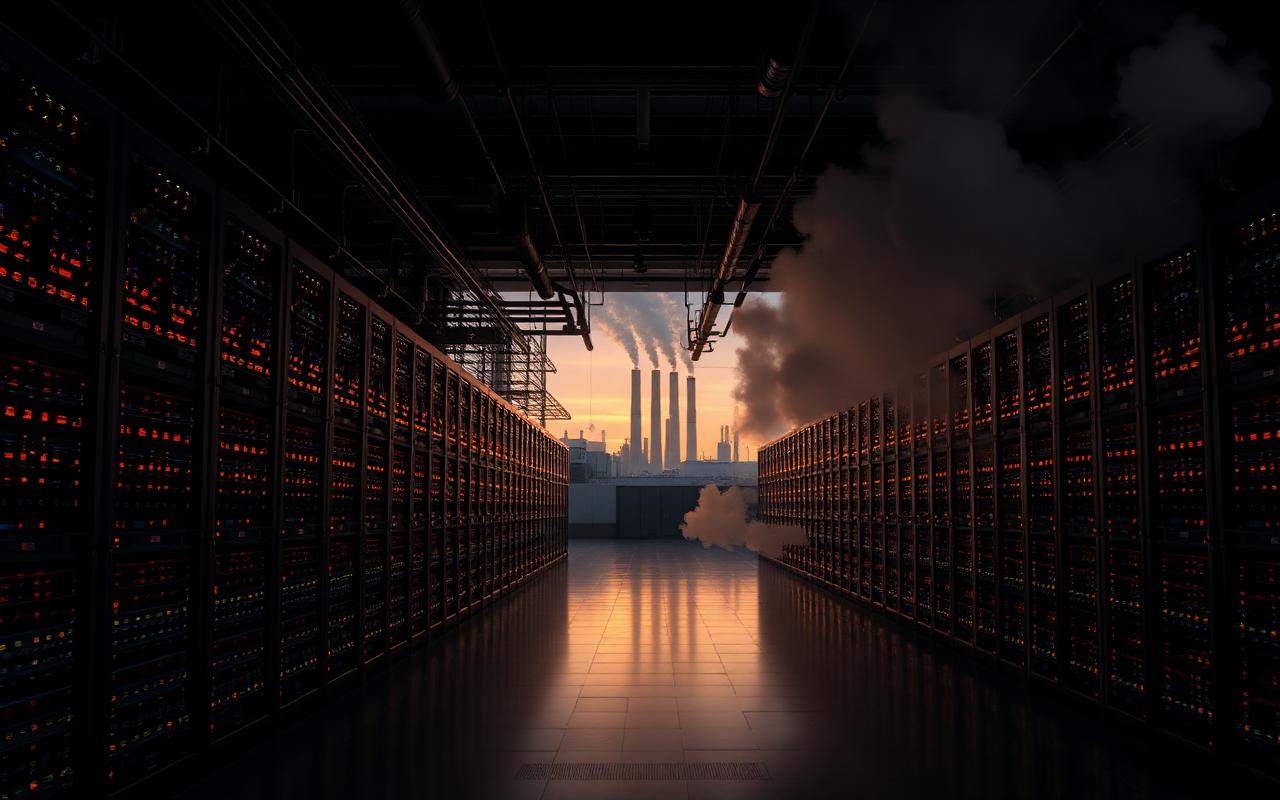
Every time you ask an AI to write an email, generate a recipe, or explain why your code is not working, somewhere in the world, a server farm the size of several football fields hums a little louder. Cooling systems kick in. Power gets drawn. And the carbon meter ticks. It happens so quietly, so invisibly, that most of us never stop to think about it. We just type and wait. And honestly, I get it. It is easy. It feels like magic. But magic, as it turns out, has a power bill.
This is not some fringe worry from the corners of the internet. Some of the world's largest technology companies have quietly started walking back their climate pledges because of how much electricity their AI infrastructure requires. Google's carbon emissions reportedly jumped by nearly 50 percent in just a few years as AI demands grew. For context, training a single large AI model can produce carbon emissions roughly equivalent to the lifetime emissions of five average cars. And that is just one model. There are hundreds.
The uncomfortable part is not just the scale, it is the contrast. We are living in a moment where AI is being hailed as our best hope for solving climate change, yet the machines we are building to get us there are burning enormous amounts of fossil fuel-derived energy to run. That contradiction sits with me.
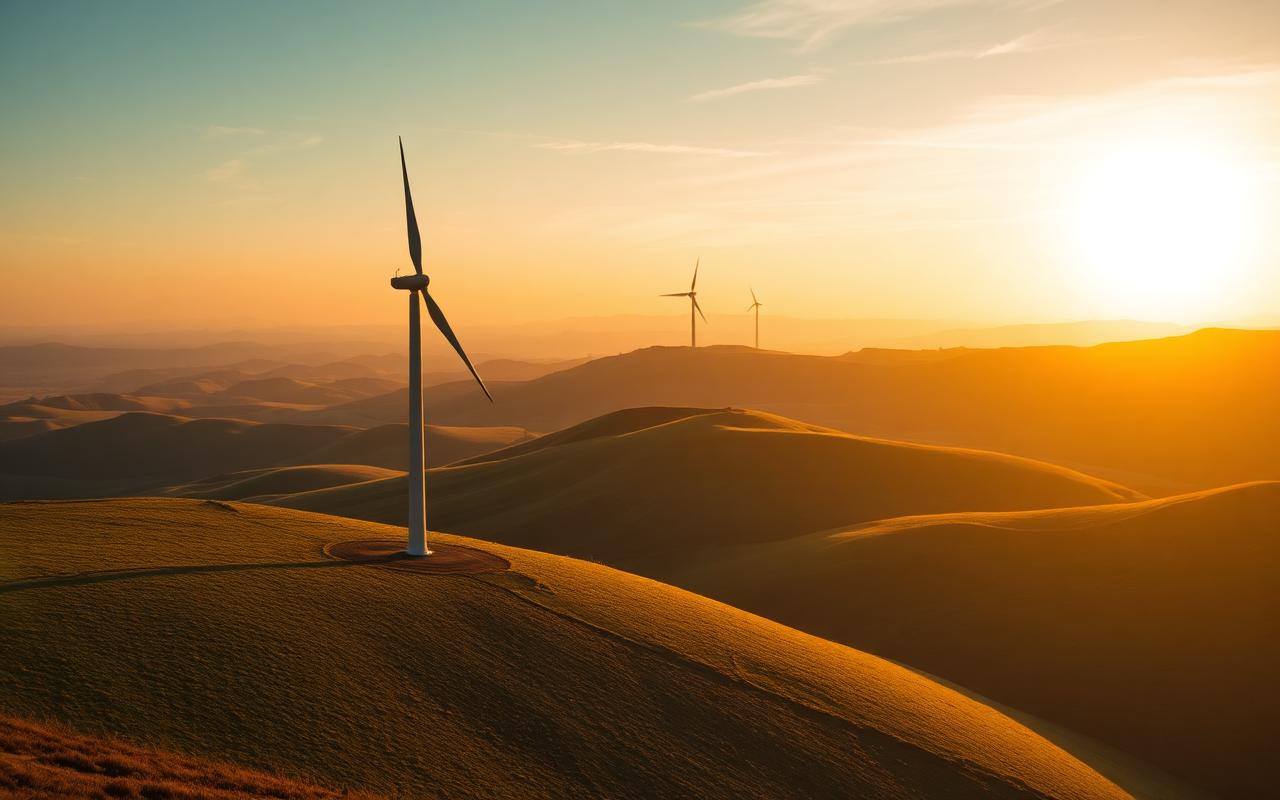
To be fair, the story is not entirely bleak. AI is doing genuinely remarkable things for the environment in ways that deserve real credit. Climate scientists are using machine learning to model weather systems with far greater accuracy than was ever possible before. AI algorithms are being deployed to optimize energy grids, reducing waste by predicting demand and balancing supply in real time. In agriculture, AI systems are helping farmers use water and fertilizers more precisely, which cuts both waste and emissions. Some of the most exciting breakthroughs in fusion energy research have come with AI assistance.
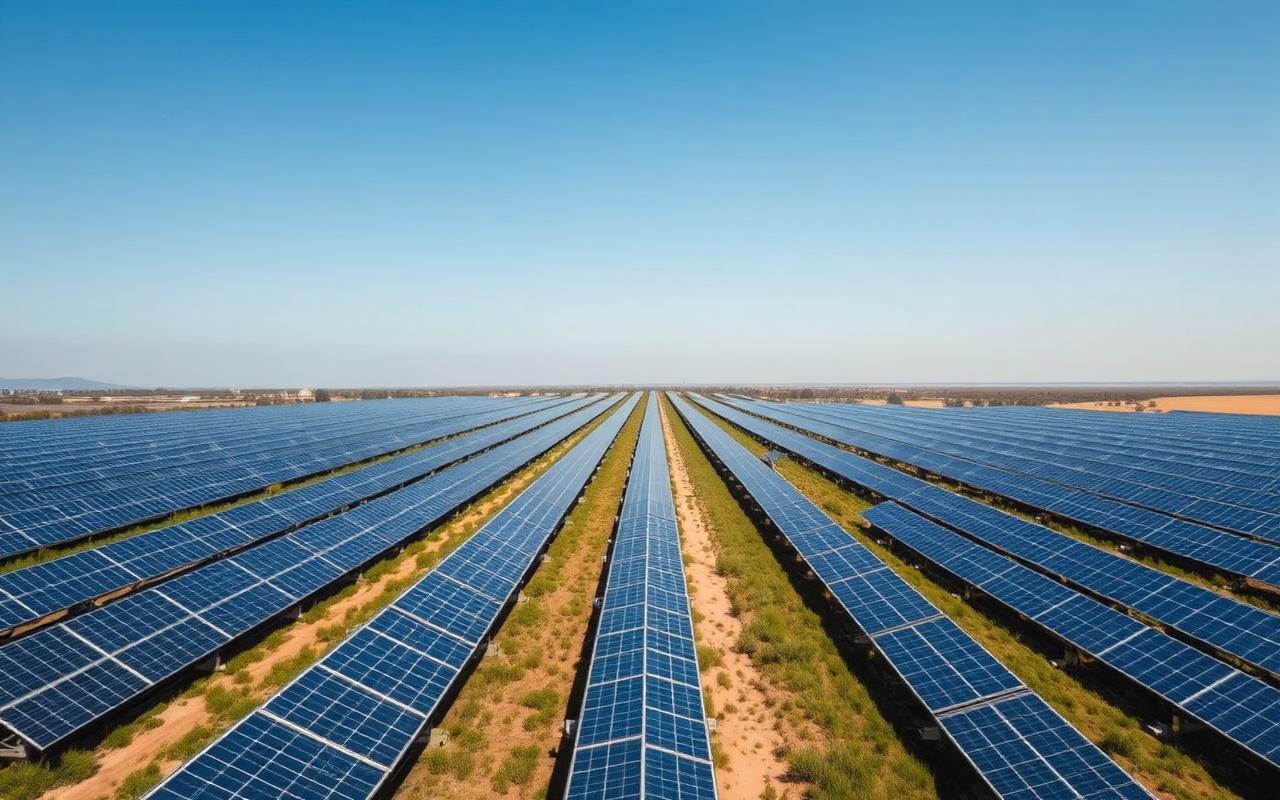
There is also the argument that AI is accelerating our shift to renewable energy, not just consuming it. Companies building AI infrastructure are some of the biggest buyers of renewable energy certificates in the world. The demand AI creates is pushing massive investment into solar and wind capacity. Some researchers genuinely believe that the net effect of AI on energy, once renewables scale up to meet the new demand, could end up being positive. That is a hopeful idea. And it might even be right. But it is also a bet on a future that has not fully arrived yet.

The part that I find harder to brush aside is the distribution of that mess. Energy is not drawn equally around the world. Many of the world's largest data centers are located in regions where the electricity grid is still heavily coal-powered. The clean energy story sounds great if you are in a country with abundant hydro or wind. But for communities near coal plants already dealing with air quality and water issues, the quiet hum of AI progress is not quite as poetic. The costs of AI energy demand do not land on the same people who benefit most from the technology, and that gap matters.
There is also the question of water. This one comes up less often, but it is just as real. Data centers require enormous amounts of water for cooling. In drought-prone regions of the American West and parts of Europe and Asia, AI data centers are competing for water resources with agriculture and local communities. Some estimates suggest that a single extended conversation with a large AI model can consume a surprising amount of water in the cooling process. Again, the individual action feels invisible. But at scale, it adds up in ways that communities downstream are starting to feel quite literally.
None of this means we should stop using AI. That is not the point. The genie is out of the bottle, and AI is too deeply woven into how medicine, science, business, and daily life now function to simply switch off. But I do think we are at a moment where the conversation needs to grow up a little. Right now, when we talk about AI, we talk mostly about capability. What can it do? How smart is it? What jobs will it change? And those are real questions. But the energy question deserves a seat at the same table.
What would it look like to make energy efficiency a first-class value in AI development, the same way we have made accuracy and speed? What if the companies building these models were required to publish detailed energy and water consumption reports alongside their benchmark scores? What if choosing a more efficient AI tool became something developers and businesses actively cared about and competed on? These are not impossible ideas. They are just not mainstream yet. Sometimes, the most powerful shift is not a new breakthrough. It is just deciding to start caring about the right things.
The relationship between AI and the environment is not a simple villain story. It is more like a complicated partnership with enormous potential and real costs that we are still learning to count. The technology that might help us save the planet is also, right now, adding to the pressures on it. That tension is worth sitting with, not to feel guilty every time you ask a chatbot a question, but to stay honest about the full picture.
Topics in this article
You might also like
View all
AI That Kills: Who Gave Them Permission?
Lethal autonomous weapons are no longer science fiction. The accountability gap is terrifying.

Are We Outsourcing Too Much to AI?
AI is becoming the invisible layer between the thought we have and the action we take.

The Internet Is Getting Crowded With AI
When every answer sounds fluent, fluency stops being a signal of quality.